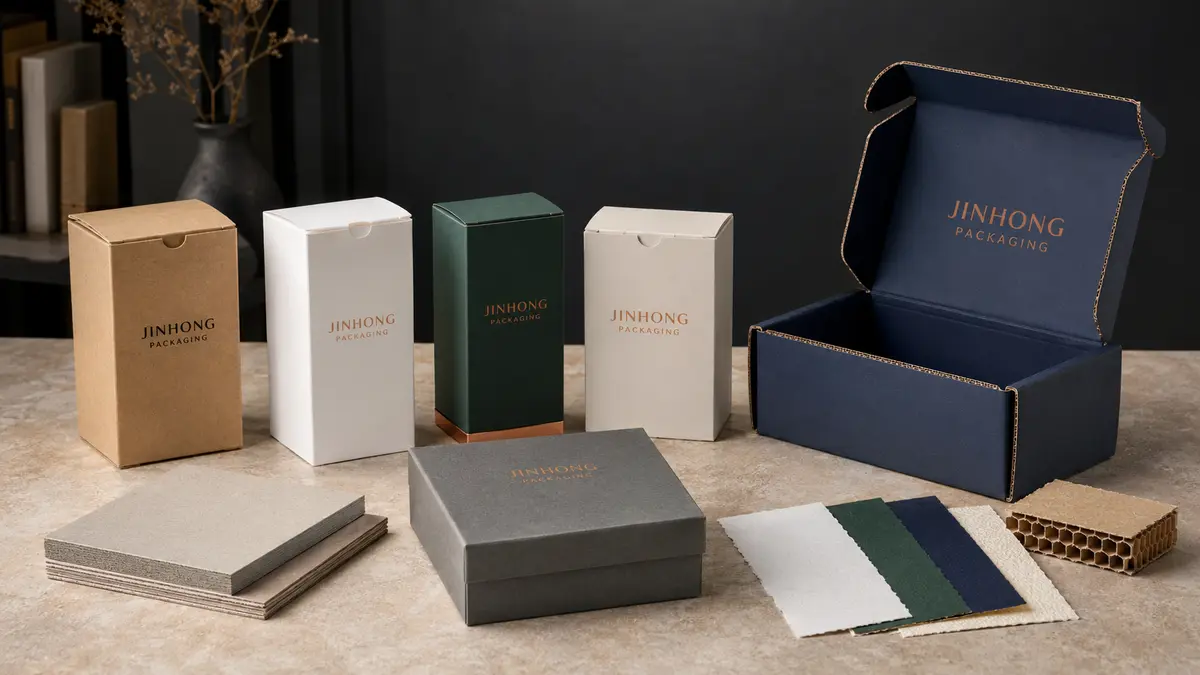
Comprender las diferencias entre los materiales es esencial para desarrollar una caja que proteja el producto, apoye a la marca y resulte práctica durante el envasado y la entrega.
Términos como cartón, kraft, cartón ondulado y cartón rígido se utilizan a menudo indistintamente, pero no describen el mismo material ni la misma construcción. Algunos están diseñados para cajas minoristas ligeras, mientras que otros proporcionan el espesor necesario para cajas de presentación de lujo o embalajes protectores de transporte.
Esta comparativa explica ocho materiales habituales a base de papel, incluidos su aspecto, resistencia, coste y aplicaciones típicas.
1. Cartoncillo kraft
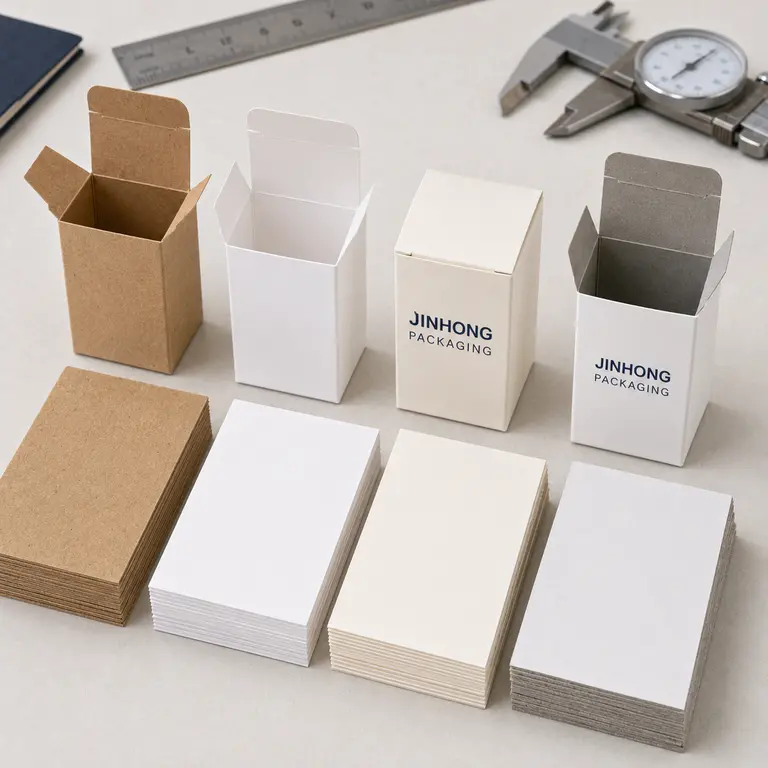
El cartoncillo kraft se reconoce por su apariencia marrón natural, aunque también existen versiones blanqueadas y estucadas. Se produce con pasta de madera y suele elegirse cuando una marca busca un aspecto sencillo, natural o discreto.
Puede utilizarse para cajas plegables, fundas, cajas pequeñas y determinadas aplicaciones alimentarias. El resultado de impresión depende de la superficie y del color. Puede necesitarse tinta blanca o una base impresa para que el diseño destaque sobre el kraft marrón.
Ventajas:
• Aspecto natural y reconocible
• Adecuado para marcas minimalistas
• Disponible en distintos espesores
• Admite impresión, troquelado y determinados acabados
• Uso habitual en embalajes minoristas de papel
Consideraciones:
La superficie marrón modifica los colores impresos. Las imágenes fotográficas finas y los colores claros pueden resultar menos vivos que sobre un cartoncillo blanco estucado.
Especialmente indicado para:
• Cosmética natural
• Jabones y velas
• Café y té
• Fundas y cajas alimentarias
• Presentaciones de marcas con orientación ecológica
2. Cartoncillo SBS
El sulfato sólido blanqueado, conocido como SBS, es un cartoncillo blanco fabricado principalmente con fibra virgen blanqueada. Tiene una superficie lisa y se utiliza cuando son importantes una impresión limpia, colores precisos y una presentación minorista cuidada.
Admite gráficos detallados, textos pequeños, estampación en caliente, relieve, UV selectivo y laminado. Normalmente se transforma en cajas plegables, no en cajas rígidas gruesas.
Ventajas:
• Superficie blanca y lisa
• Buena reproducción del color
• Adecuado para gráficos detallados y texto pequeño
• Compatible con numerosos acabados
• Aspecto limpio por ambas caras
Consideraciones:
Suele ser más caro que algunos cartoncillos reciclados. El espesor y el estucado deben seleccionarse según el peso del producto y la estructura.
Especialmente indicado para:
• Cajas cosméticas
• Cuidado de la piel
• Productos farmacéuticos y complementos
• Cajas alimentarias premium
• Pequeños productos minoristas
Puede explorar diferentes estructuras en nuestras opciones de cajas de cartón plegables.
3. Folding Box Board (FBB)
El FBB es un cartoncillo multicapa ligero diseñado para combinar rigidez y uso eficiente del material. Suele incluir pasta mecánica entre las capas exteriores, lo que aporta un buen espesor sin un peso excesivo.
Se utiliza ampliamente para cajas plegables de cosmética, cuidado personal, alimentos, confitería y otras categorías minoristas. Su superficie lisa admite marcas e información de producto detalladas.
Ventajas:
• Buena relación rigidez-peso
• Superficie de impresión lisa
• Adecuado para plegado y hendido
• Eficiente para embalajes minoristas
• Disponible estucado y sin estucar
Consideraciones:
El rendimiento varía según calidad, espesor, estucado y composición de las fibras. Debe probarse cuando la caja incorpora pliegues exigentes, ventanas o productos más pesados.
Especialmente indicado para:
• Belleza y cuidado personal
• Confitería
• Té
• Productos sanitarios
• Embalajes minoristas generales
4. Cartoncillo reciclado CCNB
El CCNB es un cartoncillo reciclado con una superficie exterior blanca estucada y un reverso gris o marrón. Ofrece una alternativa económica para numerosas cajas plegables.
La cara estucada admite gráficos impresos, mientras que el interior reciclado presenta un aspecto distinto del SBS o FBB. Suele considerarse cuando el presupuesto y la funcionalidad son más importantes que disponer de un interior blanco.
Ventajas:
• Contiene fibra reciclada
• Económico para numerosas cajas
• Superficie exterior estucada imprimible
• Adecuado para proyectos medios y grandes
• Disponible en distintos espesores
Consideraciones:
El reverso suele ser gris o marrón y puede no convenir a productos premium que necesitan un interior blanco. La impresión y la rigidez dependen también de la calidad seleccionada.
Especialmente indicado para:
• Cajas de alimentos secos
• Productos domésticos
• Juguetes y juegos
• Ferretería
• Productos minoristas sensibles al coste
5. Cartón ondulado
El cartón ondulado consta de una capa de papel acanalado situada entre una o varias caras planas. La onda aporta amortiguación y resistencia estructural manteniendo un peso relativamente bajo.
Existen distintos perfiles de onda y combinaciones. Las ondas finas pueden utilizarse para cajas mailer de marca y embalajes minoristas, mientras que construcciones mayores o más resistentes se seleccionan para cajas de transporte y productos pesados.
Ventajas:
• Buena protección durante manipulación y entrega
• Capacidad de amortiguación
• Disponible en varios tipos de onda
• Admite impresión y superficies exteriores de marca
• Puede diseñarse para diferentes pesos
Consideraciones:
Es más grueso que el cartoncillo y puede no reproducir gráficos muy finos con la misma suavidad mediante impresión directa. Puede utilizarse papel impreso contracolado cuando se requiere mayor calidad visual.
Especialmente indicado para:
• Cajas mailer de comercio electrónico
• Cajas de suscripción
• Cajas de transporte
• Kits de productos
• Productos pesados o frágiles
Consulte nuestras opciones de cajas de envío personalizadas.
6. Cartón gris para cajas rígidas
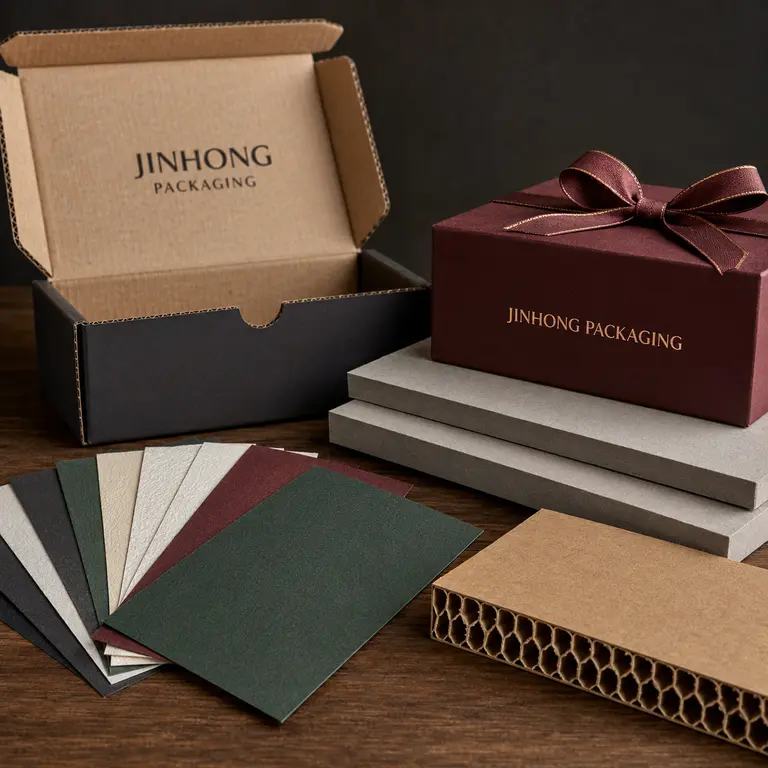
El cartón gris es un material denso utilizado habitualmente como núcleo estructural de las cajas rígidas. Es mucho más grueso que el cartoncillo y normalmente se forra con papel impreso, papel especial u otro material decorativo.
El cartón gris no suele ser la superficie final visible. El papel de forrado aporta color, impresión y textura, mientras que el cartón crea la estructura sólida asociada a los embalajes de presentación premium.
Ventajas:
• Grueso y muy estructurado
• Sensación sólida y premium
• Admite cierres magnéticos, cajones y tapas independientes
• Adecuado para insertos ajustados y sets de presentación
• Los clientes suelen conservarlo y reutilizarlo
Consideraciones:
La mayoría de las cajas rígidas no se envían planas y requieren más espacio de almacenamiento y transporte. También implican más material y etapas de montaje que las cajas plegables.
Especialmente indicado para:
• Sets cosméticos de lujo
• Perfumes
• Joyería y accesorios
• Electrónica
• Regalos premium y lanzamientos
Explore las estructuras disponibles en nuestra página de cajas rígidas personalizadas.
7. Papel especial
El papel especial suele utilizarse como capa visible decorativa o de forrado, no como cartón estructural principal. Puede ser texturizado, coloreado, nacarado, metalizado o presentar otros acabados táctiles distintivos.
Puede forrar cartón gris, contracolarse sobre cartoncillo o utilizarse para fundas, insertos y determinadas cajas plegables. Ayuda a crear un resultado premium sin depender totalmente de gráficos impresos.
Ventajas:
• Amplia gama de texturas y colores
• Identidad táctil diferenciada
• Adecuado para diseños premium y minimalistas
• Combinable con estampación o relieve
• Útil para cajas rígidas, fundas e insertos
Consideraciones:
No todos los papeles especiales son adecuados para cualquier estructura o acabado. La textura puede afectar a la impresión, adhesión de la película, plegado y uniformidad del color. Se recomienda una muestra física.
Especialmente indicado para:
• Cajas de regalo de lujo
• Cosmética y perfumería
• Joyería
• Invitaciones y kits de presentación
• Ediciones limitadas
8. Cartón de nido de abeja
El cartón de nido de abeja utiliza un núcleo celular de papel entre caras planas. Su estructura interior proporciona resistencia y amortiguación con menor peso que muchas alternativas macizas de espesor similar.
Se utiliza principalmente para componentes protectores, cajas resistentes, soportes interiores, alternativas a palés y embalajes de transporte, no para pequeñas cajas plegables minoristas.
Ventajas:
• Elevada relación resistencia-peso
• Útil para amortiguación y soporte
• Protege productos grandes o pesados
• Adecuado para componentes interiores personalizados
• Alternativa de papel para determinadas aplicaciones protectoras
Consideraciones:
No suele elegirse para cajas minoristas finas ni presentaciones de lujo. Su idoneidad depende del peso, las condiciones logísticas y el diseño global.
Especialmente indicado para:
• Productos pesados
• Electrónica y equipos
• Insertos protectores
• Muebles y productos industriales
• Embalajes de exportación y transporte
Comparación rápida de materiales
El kraft es adecuado cuando importa una apariencia natural.
El SBS ofrece una superficie blanca lisa para impresión detallada y cajas plegables premium.
El FBB proporciona buena rigidez con un peso relativamente bajo.
El CCNB es una opción reciclada económica para numerosas cajas minoristas.
El cartón ondulado ofrece amortiguación y resistencia para cajas mailer y de transporte.
El cartón gris crea la estructura gruesa de las cajas rígidas premium.
El papel especial aporta color, textura y valor táctil.
El cartón de nido de abeja sirve para productos pesados y transporte protector.
Cómo elegir el material adecuado
El mejor material no puede elegirse solo por su apariencia. El peso, las dimensiones, la fragilidad, el canal de venta, el diseño y el transporte influyen en la decisión.
Peso y fragilidad del producto
Los productos ligeros pueden requerir únicamente una caja plegable de SBS, FBB, kraft o cartoncillo reciclado.
Los productos pesados, frágiles o de alto valor pueden necesitar protección ondulada, una estructura rígida, un inserto diseñado o una caja exterior.
Venta minorista o comercio electrónico
Las cajas minoristas necesitan buena presencia, impresión precisa y espacio para información.
El embalaje para comercio electrónico también debe resistir la manipulación y la entrega. Una caja atractiva puede seguir necesitando protección ondulada durante el envío.
Requisitos de impresión y acabado
SBS y FBB estucado son adecuados para gráficos detallados y reproducción cuidada del color. El kraft crea un resultado natural, pero modifica los colores impresos.
Las cajas rígidas suelen utilizar papel de forrado impreso o decorado por separado. Los papeles especiales ofrecen textura y color, pero deben probarse antes de aplicar estampación, relieve u otros acabados.
Cantidad y presupuesto
El precio del material es solo una parte del coste. Preparación de impresión, troquelado, forrado, insertos, montaje, almacenamiento y transporte pueden afectar considerablemente al presupuesto.
Las cajas plegables suelen ahorrar espacio porque se envían planas. Las cajas rígidas y estructuras protectoras montadas necesitan más espacio.
Requisitos de sostenibilidad
El comportamiento ambiental depende de la estructura completa, no solo de que el exterior parezca natural o de papel.
El origen de la fibra, contenido reciclado, recubrimientos, laminados, adhesivos, insertos y sistemas locales de reciclaje influyen en el resultado. La certificación FSC puede respaldar un abastecimiento responsable cuando se aplica al material y la cadena seleccionados.
Las marcas pueden consultar información actual en el Forest Stewardship Council.
Cómo influye el material en la presentación de marca
El material influye en cómo interpreta el cliente el producto antes de abrirlo.
El kraft natural puede comunicar sencillez y una dirección visual orgánica. El cartoncillo blanco liso admite gráficos limpios e información detallada. El cartón gris rígido crea una presentación más pesada y sólida, mientras que el papel especial aporta textura y distinción táctil.
Sin embargo, un embalaje premium no siempre requiere el material más grueso o caro. Una caja plegable bien diseñada, con cartoncillo, impresión y acabados adecuados, puede ofrecer un resultado refinado y seguir siendo eficiente en almacenamiento y transporte.
El mejor material es el que protege el producto, apoya el posicionamiento y sigue siendo práctico durante el envasado, la entrega y el uso.
Trabajar con un proveedor de embalajes
Antes de solicitar presupuesto, prepare:
• Dimensiones del producto
• Peso
• Tipo de caja
• Cantidad
• Diseño o requisitos de marca
• Preferencias de impresión y acabado
• Requisitos del inserto
• Método de envasado
• Destino
• Presupuesto objetivo
Jinhong Packaging ayuda a marcas, minoristas y distribuidores con el abastecimiento, la selección de materiales, el muestreo y la coordinación de producción. Trabajamos con socios de fabricación seleccionados para comparar materiales y estructuras adecuados a cada proyecto.
Conclusión
Esta comparativa muestra que kraft, SBS, FBB, cartoncillo reciclado, cartón ondulado, cartón gris, papel especial y nido de abeja cumplen funciones diferentes.
SBS y FBB se eligen habitualmente para cajas plegables impresas. El kraft aporta una dirección natural. CCNB sirve para embalajes minoristas sensibles al coste. El ondulado protege durante el transporte, mientras que el cartón gris forma las cajas rígidas premium. Los papeles especiales y de nido de abeja cumplen funciones decorativas y protectoras.
La selección debe equilibrar protección, impresión, presentación, eficiencia de envasado, almacenamiento, transporte y coste total.
¿Necesita ayuda para elegir un material?
Comparta con Jinhong Packaging las dimensiones, peso, cantidad, diseño y presentación deseada. Podemos ayudar a comparar cartoncillos, estructuras, opciones de impresión y necesidades de muestreo.
HABLEMOS DE SU PROYECTO DE EMBALAJE
Preguntas frecuentes
¿Cuál es el material más común para cajas plegables?
SBS, FBB, kraft y cartoncillo reciclado se utilizan habitualmente. La mejor opción depende de la impresión, el peso, el presupuesto y la apariencia deseada.
¿El kraft siempre es más sostenible?
No necesariamente. El comportamiento ambiental depende del origen de la fibra, contenido reciclado, recubrimientos, adhesivos, producción y sistemas locales de reciclaje. El color marrón no confirma por sí solo una mayor sostenibilidad.
¿Qué material se utiliza para las cajas rígidas?
Suelen utilizar cartón gris grueso como núcleo estructural, forrado después con papel impreso, papel especial u otra superficie decorativa.
¿Qué diferencia hay entre cartoncillo y cartón ondulado?
El cartoncillo es generalmente una lámina maciza para cajas plegables y embalajes minoristas. El ondulado contiene una capa interior acanalada que aporta amortiguación y resistencia para cajas mailer y de transporte.
¿Qué material es mejor para productos de lujo?
Las cajas rígidas de cartón gris, las cajas plegables SBS de calidad y los papeles especiales pueden servir para embalajes premium. La elección depende del valor, la protección, la presentación, el almacenamiento y el presupuesto logístico.
¿Qué material conviene al comercio electrónico?
El cartón ondulado se utiliza ampliamente para cajas mailer y de transporte porque ofrece amortiguación y protección. La onda y la resistencia necesarias dependen del peso y las condiciones de entrega.
¿Pueden personalizarse los materiales con impresión y acabados?
Sí. Muchos materiales de papel admiten impresión, estampación, relieve, UV selectivo, laminado y otros acabados. La compatibilidad depende de la superficie, el recubrimiento, el espesor y el proceso.
¿Debo solicitar una muestra antes del pedido?
Sí. Una muestra estructural permite confirmar tamaño, espesor, montaje y ajuste. También puede recomendarse una muestra impresa cuando son importantes el color, el diseño o los acabados.