
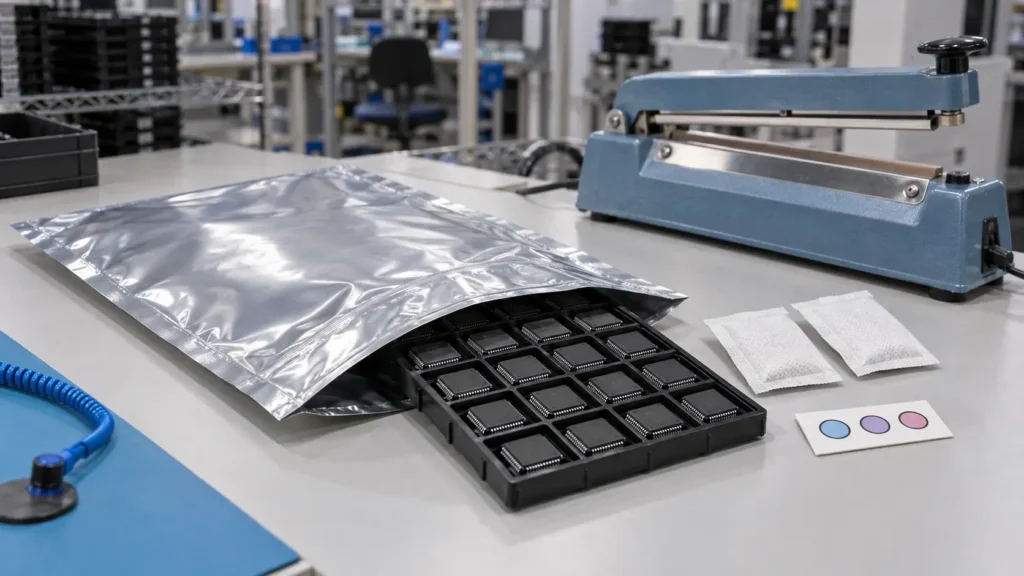
How to Choose Packaging for Moisture-Sensitive Electronic Components
Moisture-sensitive electronic components require more than a general-purpose plastic bag. Their packaging may need to control humidity, electrostatic discharge, physical
Moisture-sensitive electronic components require more than a general-purpose plastic bag. Their packaging may need to control humidity, electrostatic discharge, physical
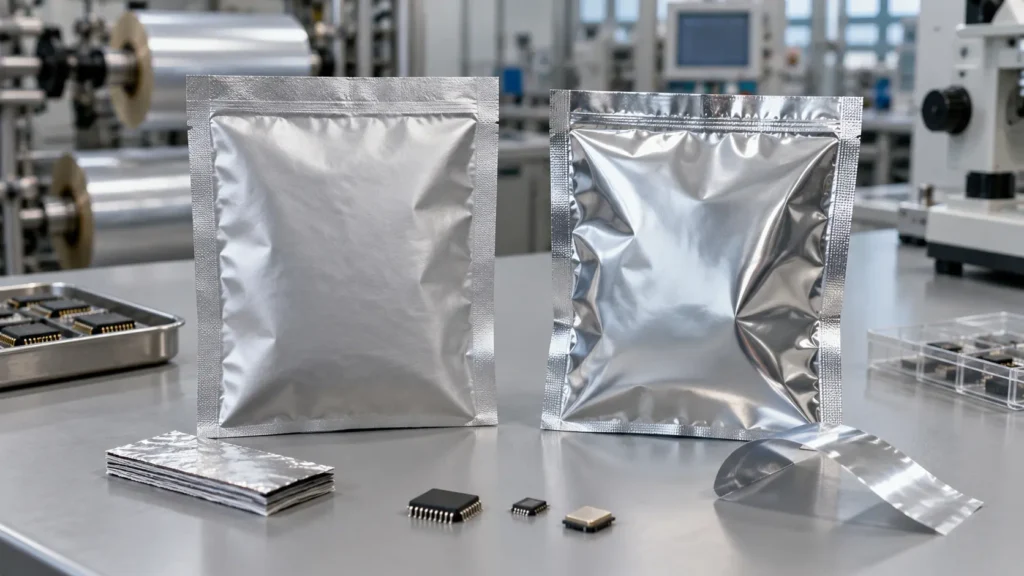
Aluminum foil bags and metallized bags may look similar from the outside, but their barrier layers, performance characteristics and suitable
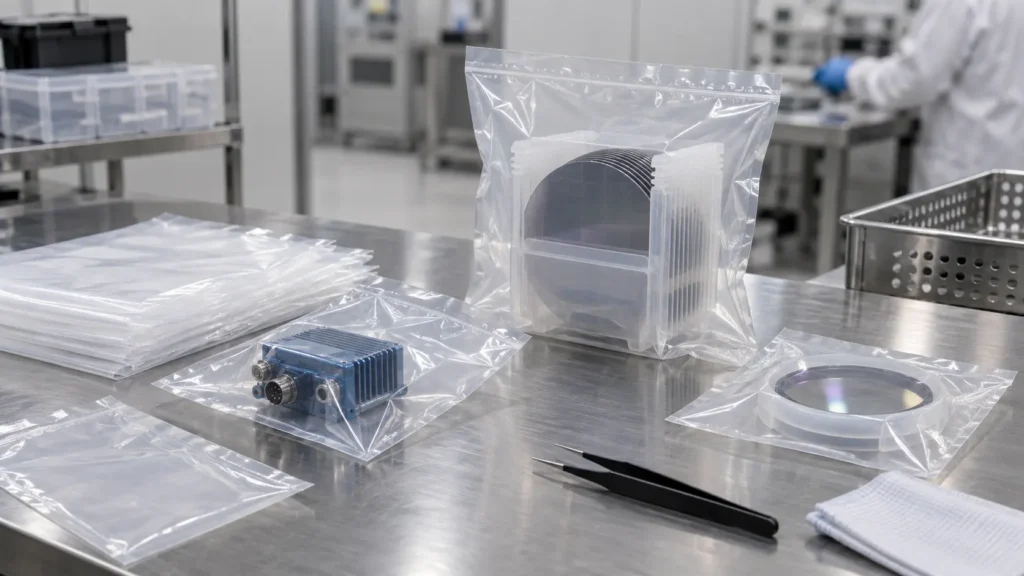
Cleanroom packaging materials should be selected according to the product, required cleanliness level, packaging process, handling environment and risks that
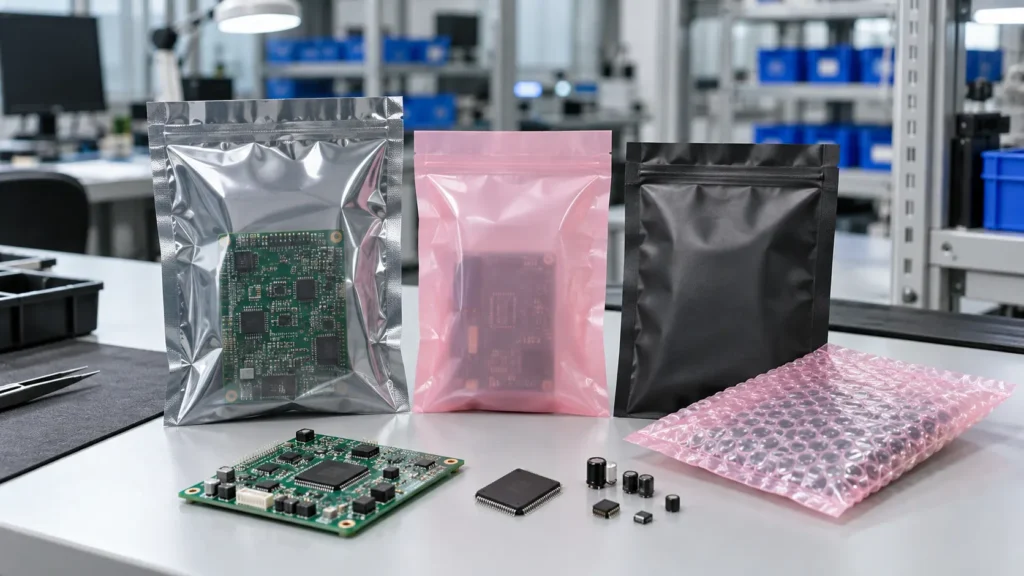
ESD bags help protect electronic components from risks associated with electrostatic discharge during handling, storage and transportation. However, the terms
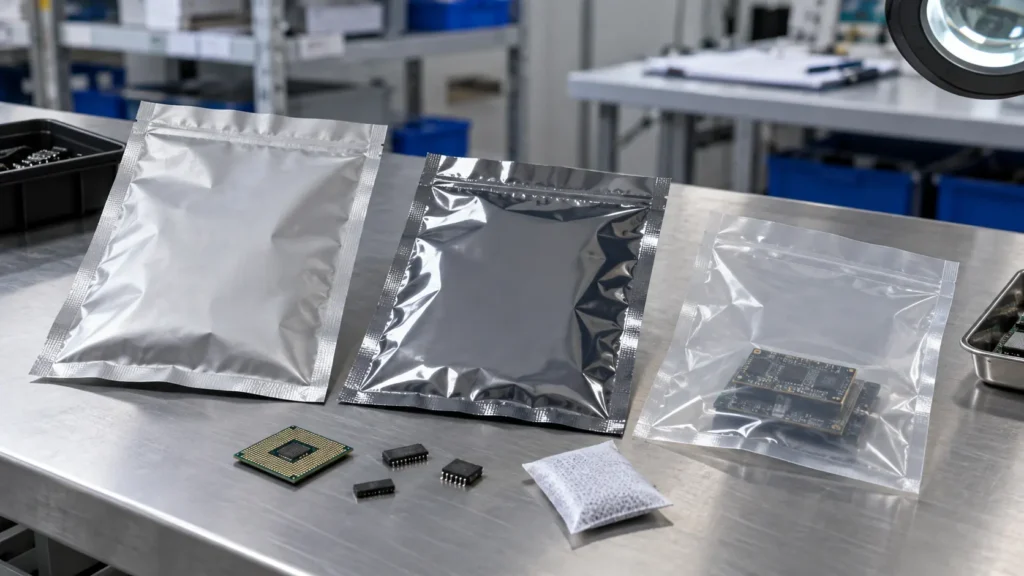
Moisture barrier bag materials should be selected according to the product’s moisture sensitivity, required storage period, transportation environment, sealing method
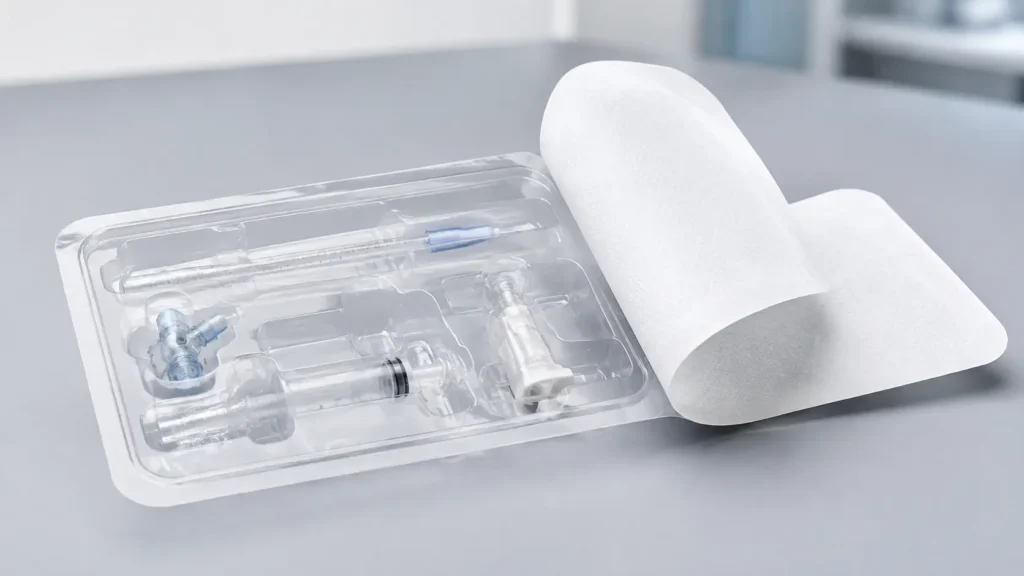
Selecting a medical blister tray and lidding system requires more than choosing a clear tray and a peelable lid. The
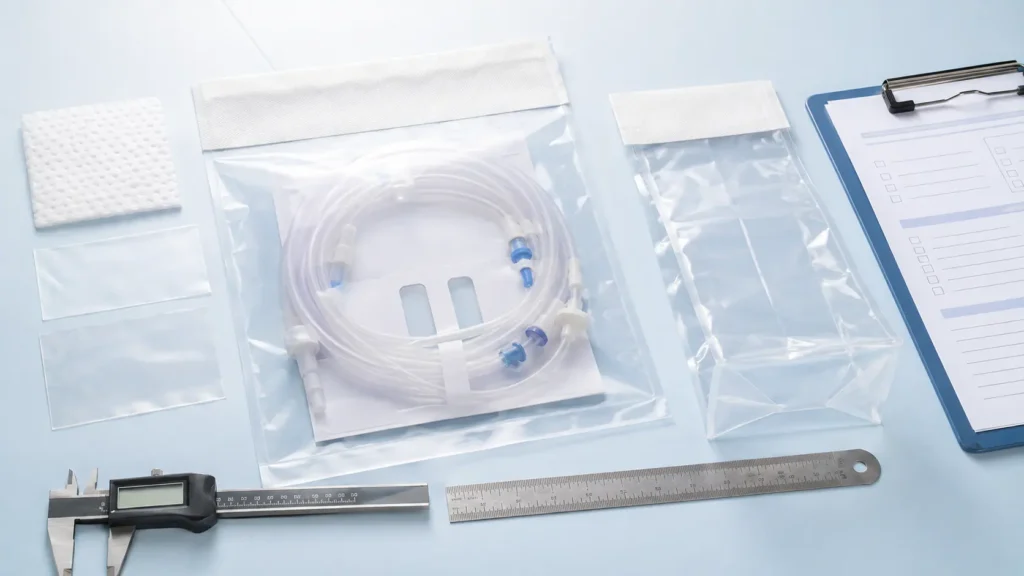
A practical guide to medical header bag applications and selection, covering suitable devices, material structures, dimensions, sealing, sterilization compatibility, documentation and samples.
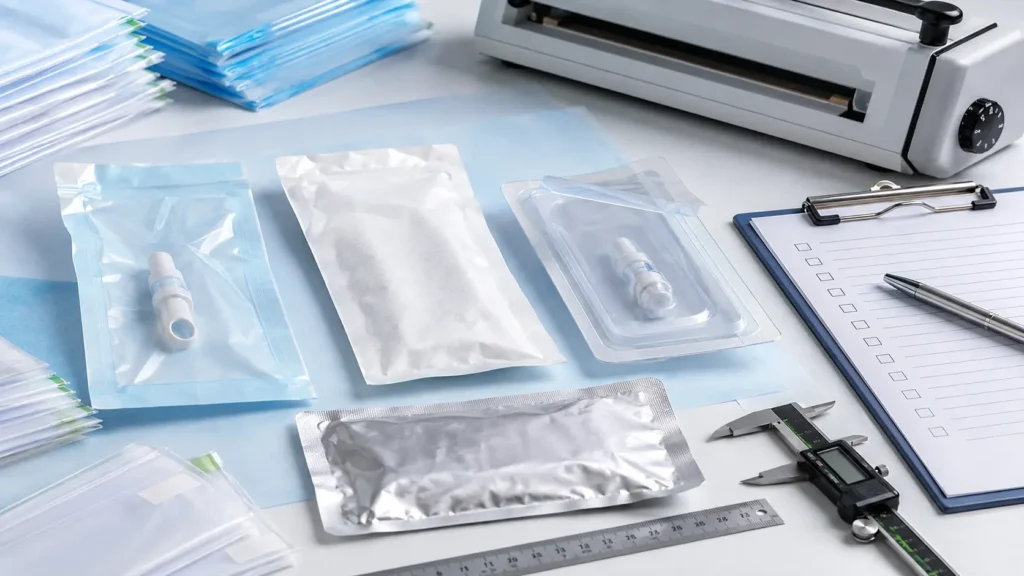
A practical medical packaging validation preparation checklist covering device information, packaging specifications, sealing processes, sterilization details, samples, testing and supplier documents.
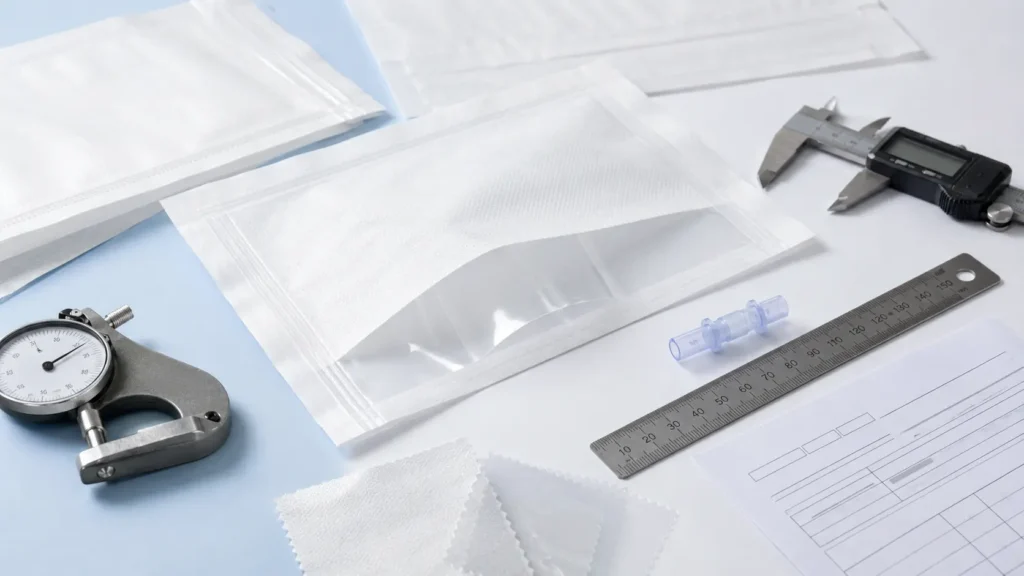
A practical purchasing guide to Tyvek pouch specifications, including material structure, dimensions, sealing, sterilization compatibility, printing, documentation, samples and validation responsibilities.
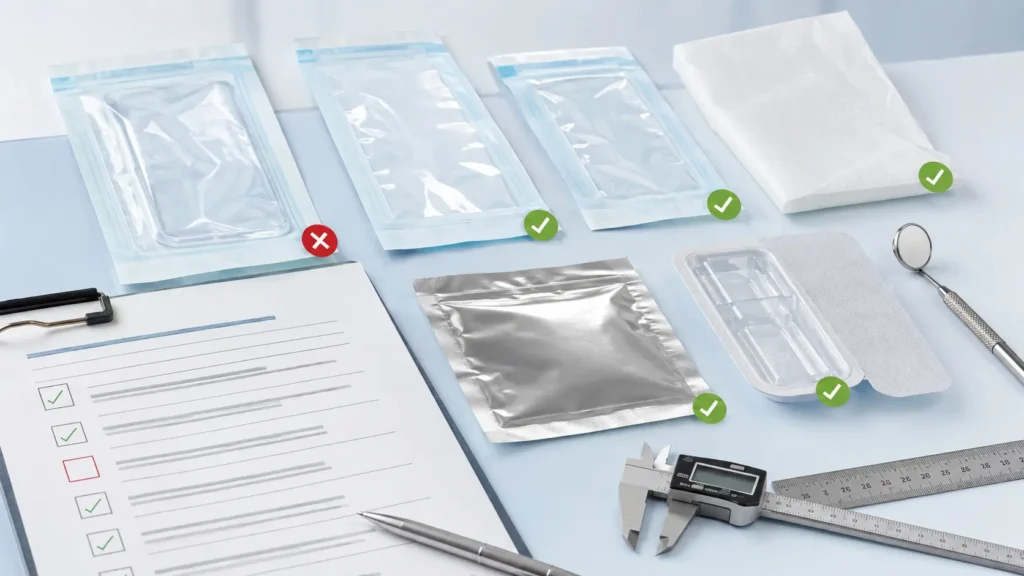
A practical guide to common sterilization packaging purchasing mistakes involving device information, pouch sizes, materials, sterilization methods, supplier documents, samples and validation responsibilities.
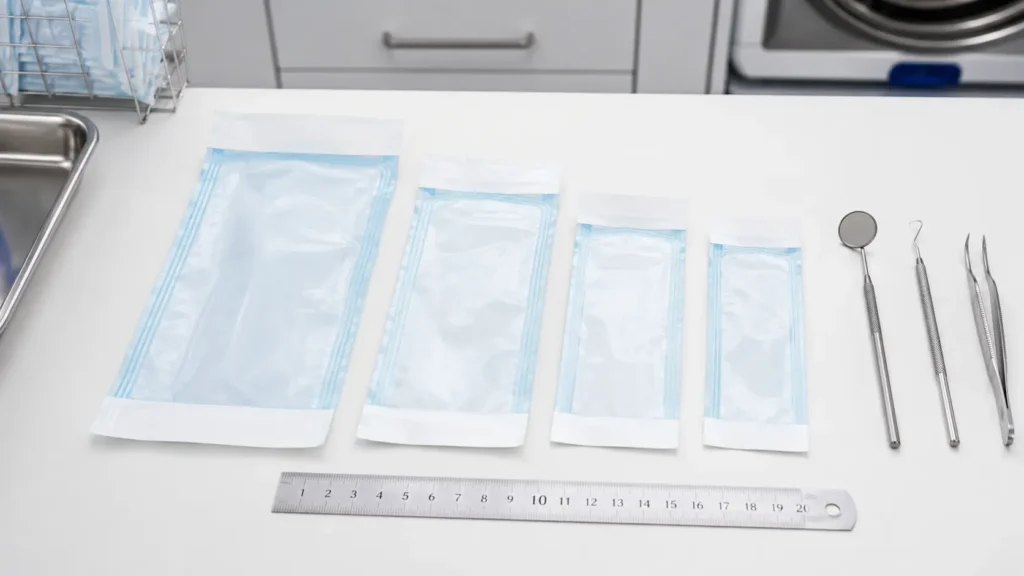
A practical guide to choosing sterilization pouch sizes for medical devices and dental instruments based on dimensions, thickness, closure space, loading direction and sealing requirements.
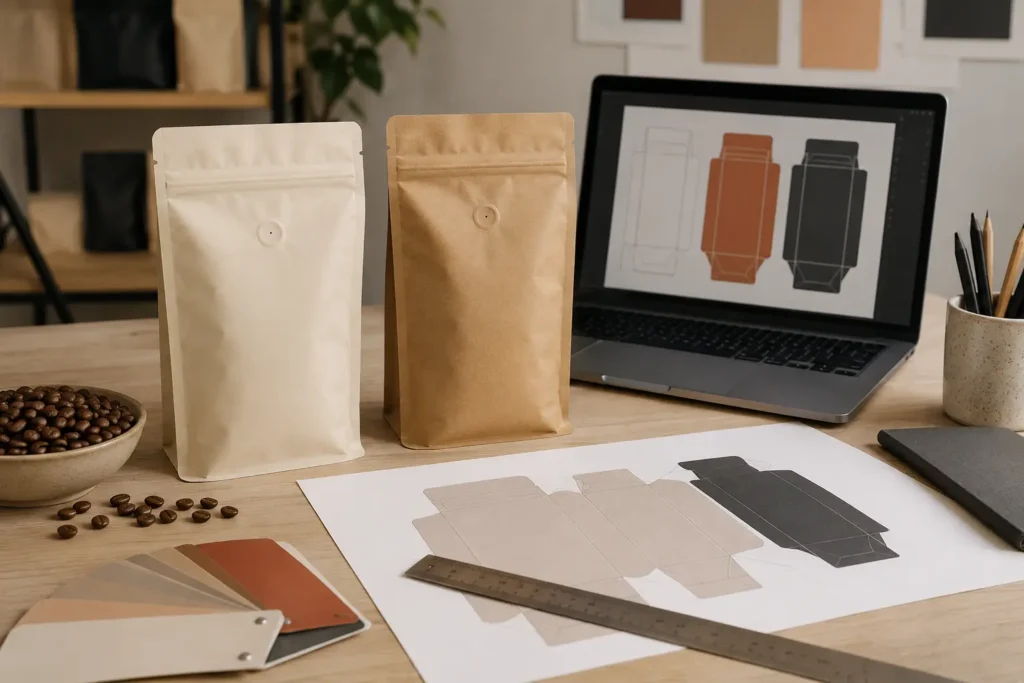
A practical coffee bag artwork guide covering dielines, panels, bleed, safe areas, valve placement, colors, image resolution, barcodes and print-ready files.

A practical coffee bag sizes guide for choosing 100g, 250g, 500g and 1kg packaging based on coffee format, bag structure, density, headspace and valve position.
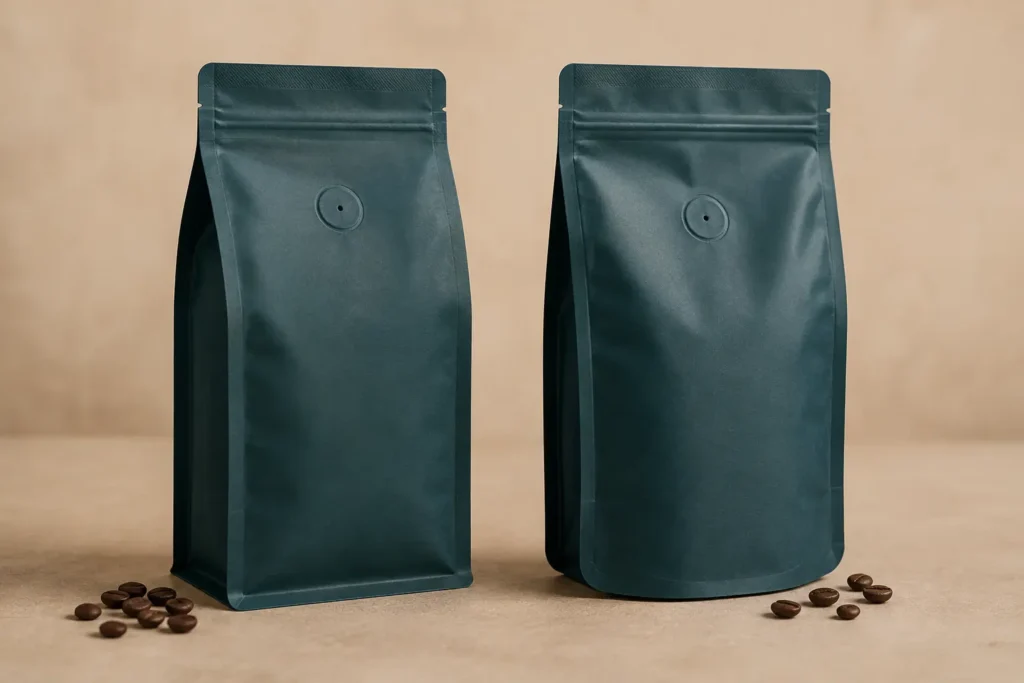
Compare flat bottom and stand-up coffee pouches by structure, shelf presentation, printable area, filling behavior, valve options and project requirements.
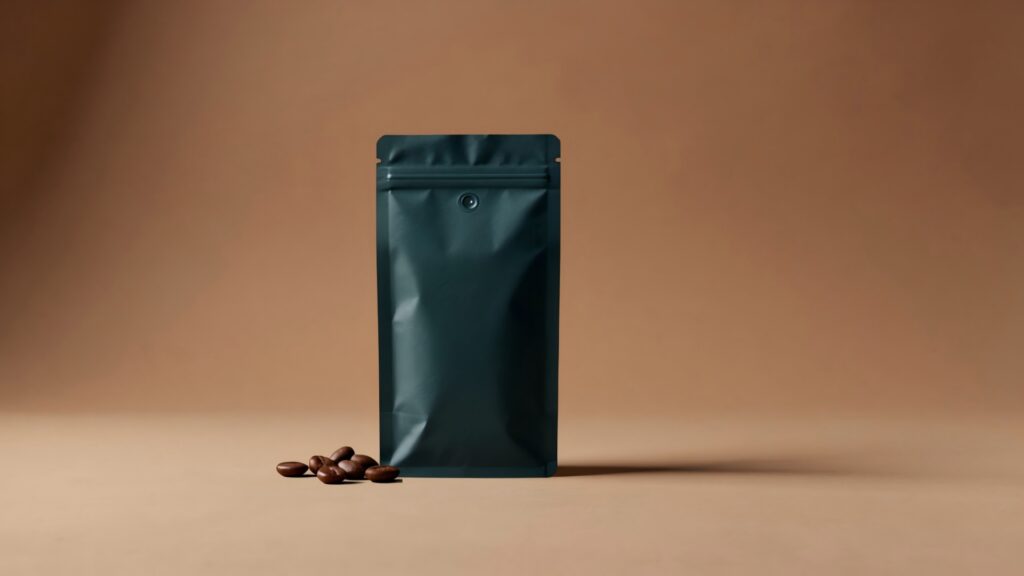
A practical guide to selecting a coffee bag degassing valve based on coffee format, packing schedule, packaging material, valve position, filling process and distribution requirements.
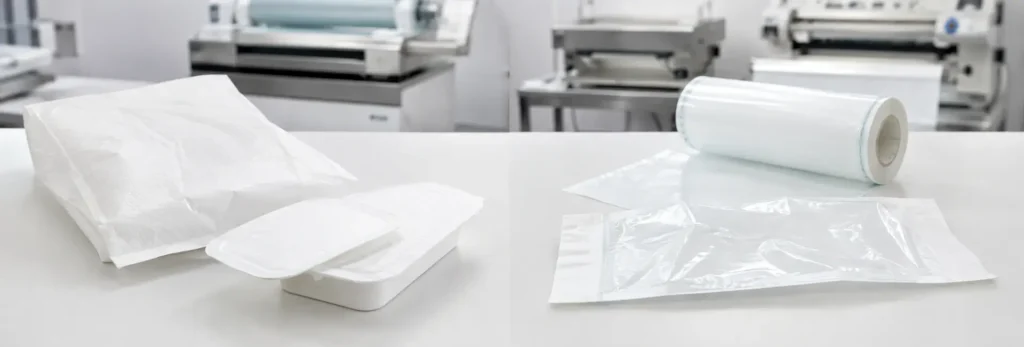
This guide compares Tyvek and medical-grade paper for sterile barrier packaging, including strength, breathability, opening performance, sterilization compatibility, sealing and cost considerations.
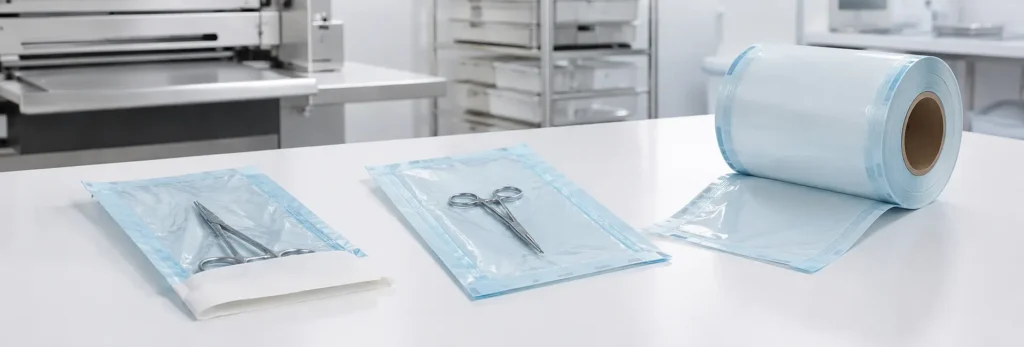
This guide compares self-seal and heat-seal sterilization pouches with medical sterilization rolls, including closure methods, common applications, sealing considerations and information to confirm before selection.
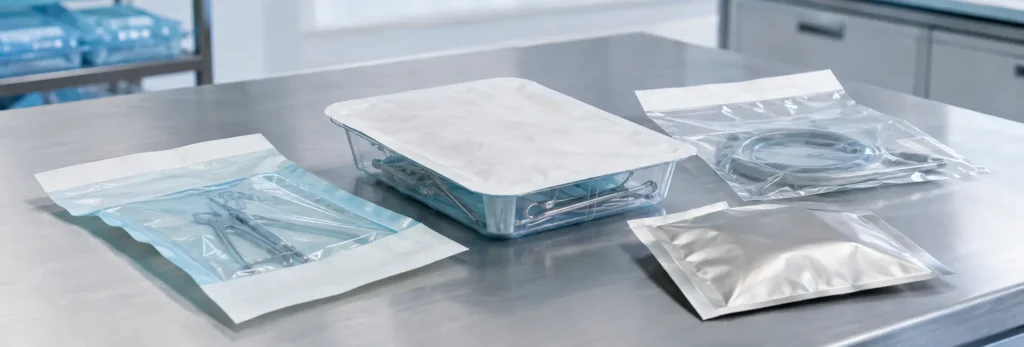
Compare packaging considerations for EO, steam, gamma and e-beam sterilization, including porous and nonporous materials, package formats, seal integrity and validation requirements.
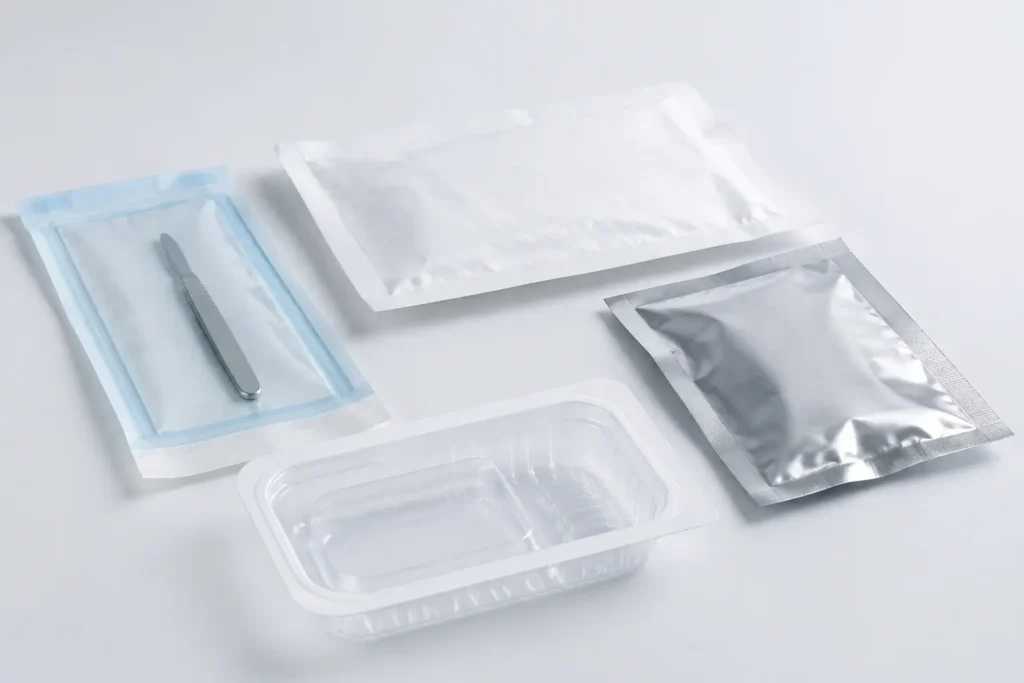
Selecting sterile barrier packaging for medical devices is not simply a matter of choosing a pouch, film or tray. The
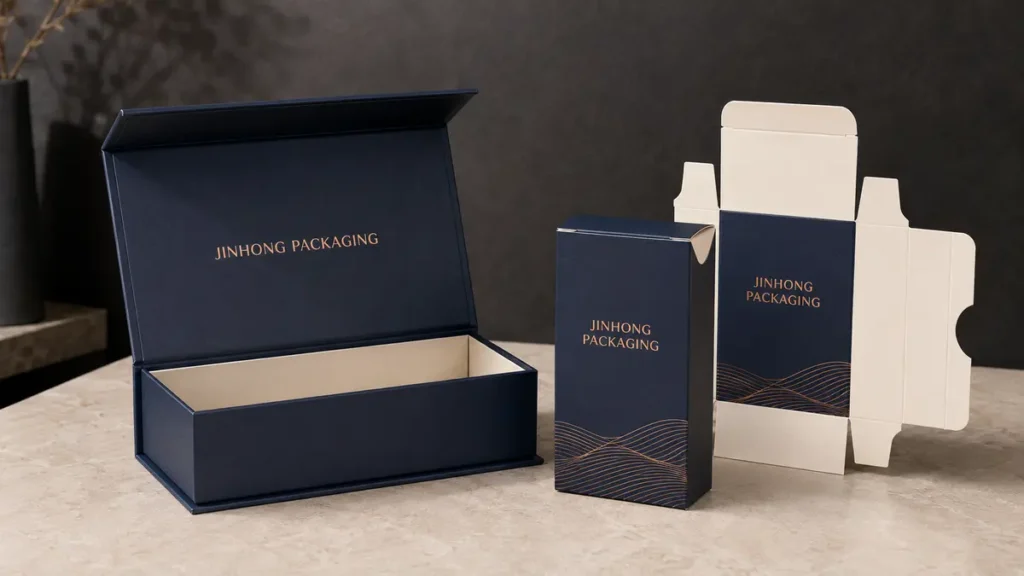
Understanding rigid boxes vs folding cartons is one of the most important steps when developing custom product packaging. Both options