Medical-Grade Paper and Films
Medical-grade paper and films for sterile medical device packaging projects, coordinated according to the device, package format, sealing process, sterilization method and validation requirements.
Medical Packaging Material Overview
Medical-grade paper and films are used in a range of sterile barrier packaging formats, including pouches, reels, form-fill-seal packages and lidded tray systems. The paper may provide a porous microbial barrier and printable surface, while the film can provide product visibility, mechanical protection, forming performance or a compatible heat-seal layer.
Material selection should be based on the complete medical device packaging system. Device dimensions, weight, sharp edges, required barrier performance, package opening, sealing equipment, sterilization method and distribution environment can all influence the appropriate paper and film combination.
Medical papers may be coated or uncoated and are available in different basis weights and performance levels. Film structures may be rigid, semi-rigid, flexible, formable or non-formable, depending on the intended packaging process.
Jinhong Packaging coordinates medical-grade paper and films with selected manufacturing partners. We help customers review material options, compare compatible structures and organize samples or available supporting documents for further packaging evaluation.
Medical Paper and Film Options
Different package formats require different material properties. Paper basis weight, film composition, seal layer and sterilization compatibility should be confirmed according to the complete packaging application.
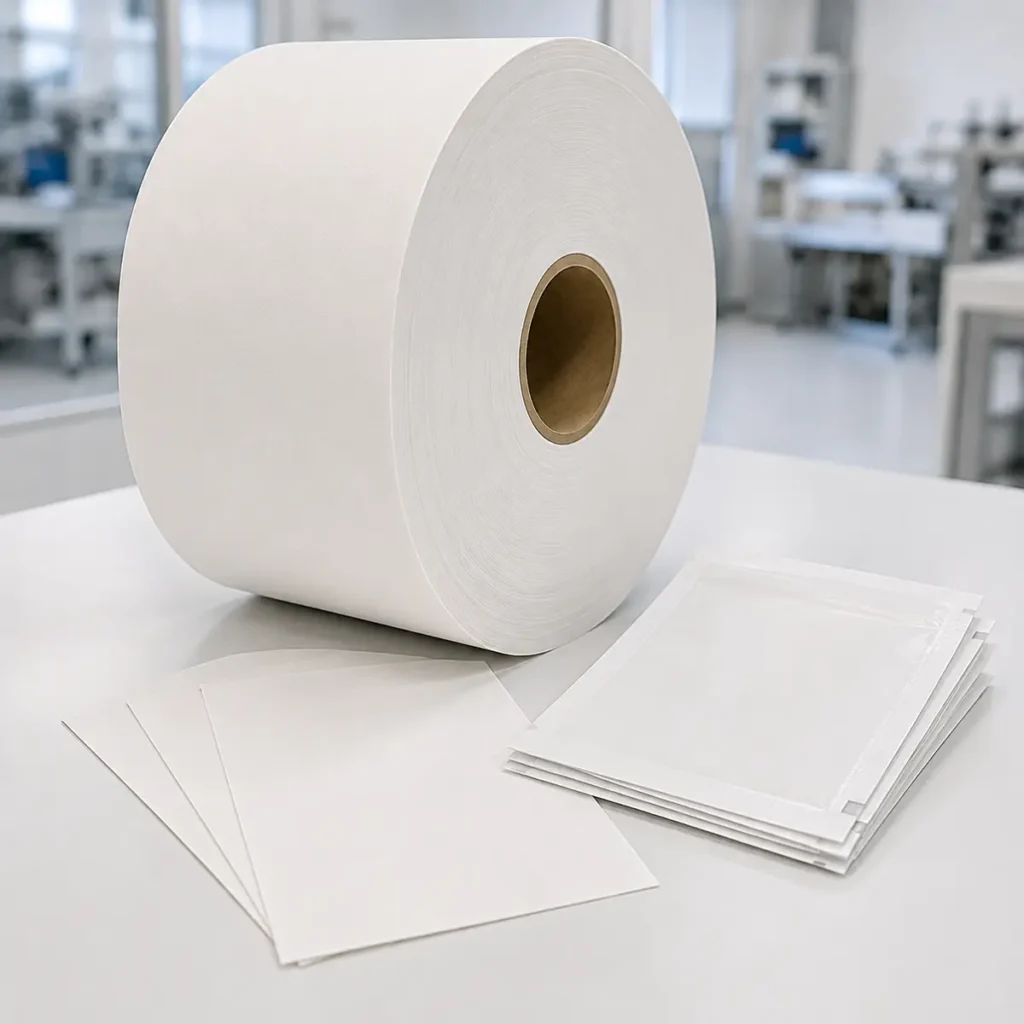
Medical-Grade Packaging Paper
Porous medical-grade paper can be used as a breathable web or lidding material for selected sterile barrier packaging systems.
Options may include coated or uncoated medical paper in different basis weights. Seal coating, porosity, microbial barrier performance, printability and peel characteristics should be evaluated according to the package format and intended sterilization process.
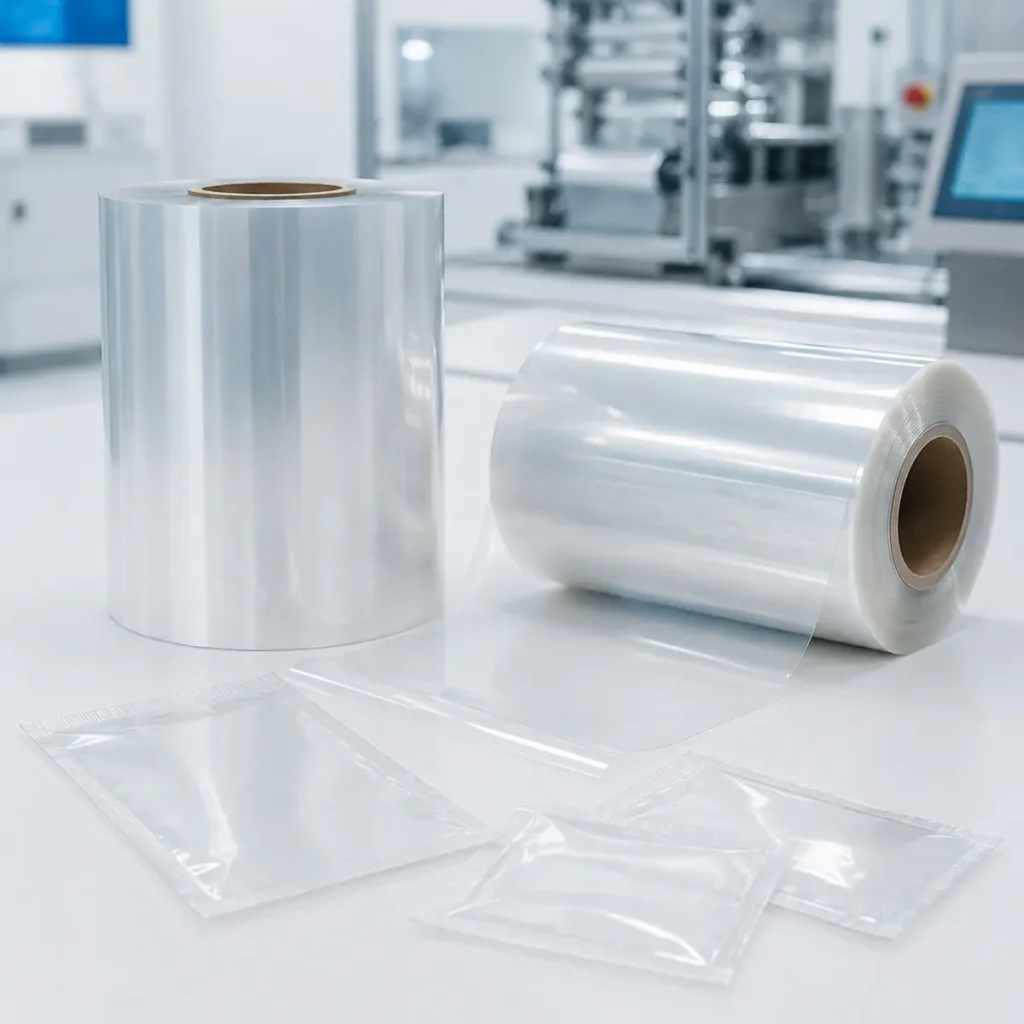
Transparent Flexible Films
Transparent flexible films may be used as the film side of medical pouches, reels or form-fill-seal packages. Structures can include PET/PE, PA/PE or other project-specific combinations.
Film clarity, puncture resistance, flexibility, sealability and processing performance depend on the selected structure. The film must be evaluated together with the medical paper, sealing process and sterilization requirements.
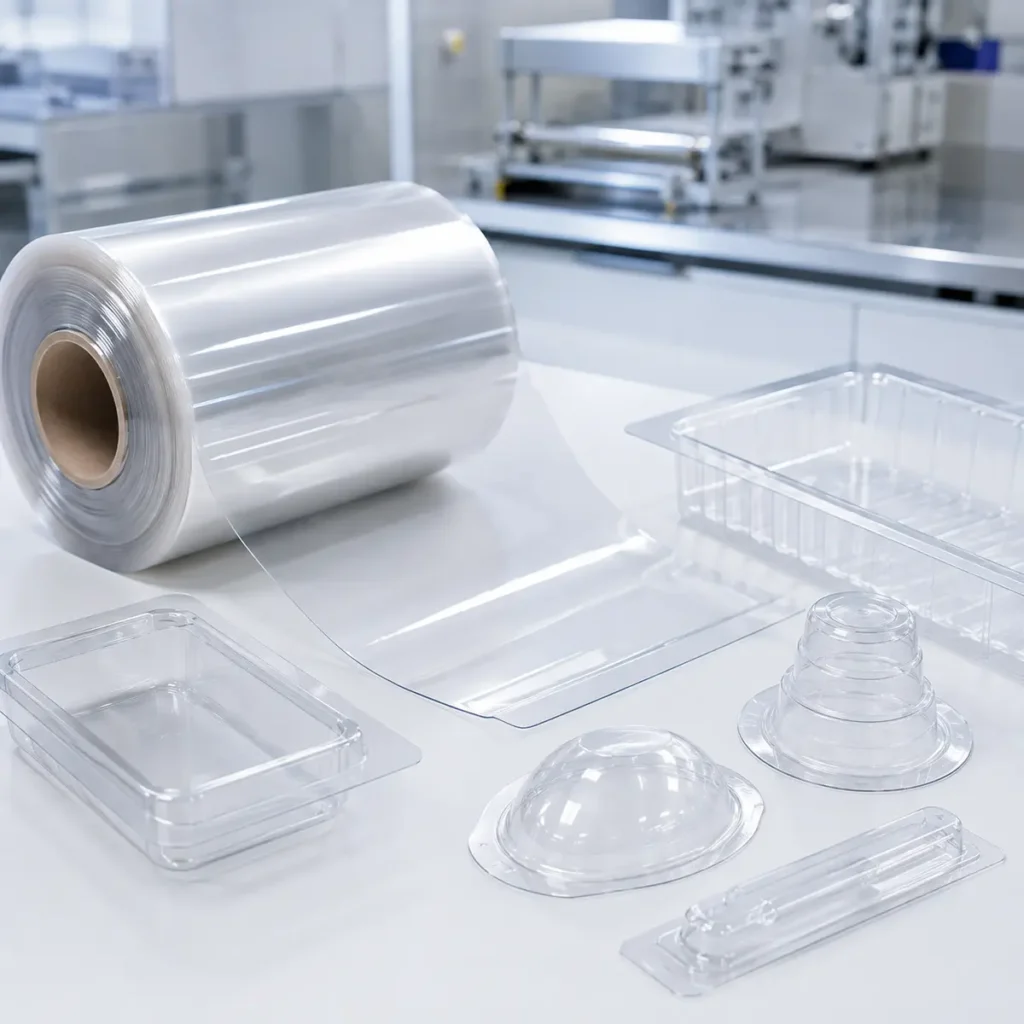
Formable and Rigid Films
Formable and rigid medical packaging films may be considered for thermoformed packs, blisters and device trays. Material options can include PETG, APET, PVC, PP or other project-specific structures.
The appropriate film depends on forming depth, cavity design, required rigidity, product visibility, lidding compatibility and sterilization conditions. Not every polymer or film grade is suitable for every packaging process.
Medical Paper vs Flexible Film vs Formable Film — Quick Selection Guide
| Material Type | Usually Considered For | Buyer Should Confirm |
|---|---|---|
| Medical-Grade Paper | Breathable pouches, reels and selected tray-lidding applications | Basis weight, coating, seal structure, sterilization method and peel requirements |
| Flexible Transparent Film | Medical pouches, reels and flexible packaging requiring product visibility | Film structure, thickness, puncture resistance, clarity and seal compatibility |
| Formable / Rigid Film | Thermoformed trays, blisters and packages requiring a formed cavity | Material grade, forming depth, rigidity, tray design and lidding compatibility |
Important: Medical paper and film should not be selected independently. Paper grade, film structure, seal layer, package format, sterilization method and sealing process should be evaluated as one compatible packaging system.
Materials and Sealing Structures
Medical-grade paper and films should be selected as compatible components rather than as separate materials. Paper surface treatment, film seal layer, package design and sealing parameters all affect the strength, consistency and opening characteristics of the finished package.
Paper Basis Weight and Coating
Medical packaging paper is available in different basis weights and performance grades. The appropriate option depends on the device weight, package size, required mechanical strength, sealing process and opening method.
Uncoated paper may be used where the film or sealing system provides the required bonding layer. Coated paper includes a heat-reactive seal coating designed to bond with compatible film structures.
Coating type and coating weight can affect the sealing window, seal strength and peel behavior. A paper grade should therefore be evaluated with the intended film and packaging equipment rather than selected only by basis weight.
Film Layers and Seal Compatibility
Medical packaging films may use single-layer, laminated or coextruded structures. PET, PE, PA, PP and other polymers can be combined to provide different levels of clarity, flexibility, forming performance and sealability.
The product-contact or seal layer must be compatible with the selected paper or lidstock. Film thickness and structure should also be considered according to device geometry, puncture risk, forming depth and packaging line requirements.
Sealing temperature, pressure and dwell time depend on the complete paper-and-film combination and the sealing equipment. These parameters should be developed and validated for the specific packaging process.
Sterilization Compatibility
Material compatibility with sterilization must be confirmed for the complete package. A paper or film that is suitable for one sterilization process may not provide the same performance under another set of conditions.
Potential changes in seal strength, material brittleness, color, dimensions, clarity and microbial barrier performance should be considered after sterilization, aging and distribution exposure. The medical device company should determine the required testing and acceptance criteria for its final packaging system.

Paper grade, seal coating, film structure and process parameters must be evaluated as one compatible packaging system.
Typical Specifications
The following information provides a general reference for medical-grade paper and films. Final specifications depend on the package format, medical device, material combination, sealing equipment, sterilization process and validation requirements.
| Specification Item | Typical Options | Project Considerations |
|---|---|---|
| Medical Paper Type | Coated or uncoated porous medical-grade paper | Selected according to sealing structure, package format and sterilization requirements |
| Paper Basis Weight | Multiple basis weights and performance grades available | Confirmed according to device weight, package size and required mechanical performance |
| Flexible Film Structures | PET/PE, PA/PE, PP-based or other project-specific structures | Final construction depends on flexibility, puncture resistance, clarity and sealability requirements |
| Formable or Rigid Films | PETG, APET, PVC, PP or other suitable medical packaging grades | Selected according to forming depth, cavity design, rigidity and lidding compatibility |
| Film Appearance | Transparent, translucent or project-specific appearance | Clarity and surface requirements should be confirmed before sampling |
| Film Thickness | Available in different gauges according to the material and package format | Confirmed according to device geometry, forming requirements and puncture risk |
| Seal Configuration | Coated-paper-to-film or compatible seal-layer combinations | Paper, coating and film seal layer must be evaluated together |
| Printing | Custom text, symbols and identification information where applicable | Artwork, ink system and regulatory marking requirements should be reviewed before production |
| Package Formats | Pouches, reels, form-fill-seal packs and lidded tray systems | Availability depends on the selected material and manufacturing process |
| Sterilization Compatibility | Evaluated according to the selected paper, film and intended sterilization process | No material should be assumed suitable without project-specific confirmation and validation |
| Samples and Documents | Material samples, available specifications, certificates and test information | Document availability depends on the selected material and manufacturing partner |
| MOQ and Lead Time | Quoted according to material grade, width, roll format, printing and quantity | Custom slitting, coating or printing may affect MOQ and production schedule |
Applications and Material Selection
Medical-grade paper and films can support different sterile medical device packaging formats. The appropriate material combination should be selected according to the device, packaging equipment, sterilization process and required package performance.
1. Pouches and Reels
Medical paper and transparent film can be combined for heat-sealed pouches and reels used to package selected instruments, components and other medical devices.
2. Form-Fill-Seal Packaging
Flexible formable films and compatible paper webs may be used on form-fill-seal lines for lightweight devices, dressings, procedure products and selected disposable items.
3. Tray and Blister Lidding
Coated medical paper may be evaluated as a lidding material for compatible thermoformed trays and blister packaging systems where breathable sealing and peel opening are required.
4. Protective Device Packaging
Flexible or rigid films may provide visibility, containment and physical protection for device components, kits and accessories during processing, handling and distribution.
What Should Be Confirmed Before Material Selection?
The initial material review should begin with the medical device dimensions, weight, geometry and any sharp or delicate areas. The required package format, opening method and product visibility should also be defined.
For roll materials, customers should confirm the required web width, roll diameter, core size, winding direction and whether printing, coating or slitting is required. Packaging equipment information can help determine whether the material is suitable for the intended production line.
The sterilization method and process conditions must also be identified. Medical paper, film, seal coating, ink and adhesive systems may respond differently to sterilization, aging and distribution exposure.
Final testing and acceptance criteria should be established by the medical device company according to the intended product, regulatory market and packaging validation plan.
Providing the existing material specification, package drawing, device information and sterilization method can help narrow the suitable paper and film options before sampling.
Quality Documents and Project Coordination
Medical-grade paper and film projects require clear material identification and traceability. Product name, material grade, basis weight or thickness, roll dimensions, coating or seal-layer information and applicable inspection requirements should be confirmed before the final order.
Depending on the selected material and manufacturing partner, available documents may include material specifications, certificates of analysis, declarations of conformity, quality management certificates, inspection reports and relevant test information. Document availability and applicability must be confirmed for the specific material grade and packaging project.
ISO 11607-1 specifies requirements and test methods for materials, sterile barrier systems and packaging systems intended to maintain the sterility of terminally sterilized medical devices until the point of use. ISO 11607-2 addresses the development and validation of forming, sealing and assembly processes.
The medical device company remains responsible for determining applicable regulatory requirements, establishing acceptance criteria and validating the final packaging system for the intended device, sterilization process, distribution environment and target market.
How Jinhong Packaging Supports Your Material Project
Jinhong Packaging works with selected manufacturing partners to coordinate medical-grade paper and films according to the technical and commercial requirements of each project.
Our project coordination may include:
Reviewing existing material specifications and packaging requirements
Comparing paper grades, film structures and compatible sealing options
Confirming roll width, core size, winding direction and conversion requirements
Coordinating material samples and available technical documents
Communicating printing, coating, slitting and packaging requirements
Coordinating quotations, production schedules and export arrangements
To begin a material evaluation, customers can provide the existing material specification or sample, required package format, roll dimensions, intended sterilization method, estimated order quantity and target market.
For related packaging formats, explore our sterilization pouches and rolls, medical blister trays and lidding, and Tyvek medical packaging solutions.
For a direct comparison of porous packaging materials, read our guide to Tyvek vs medical-grade paper for sterile barrier packaging.
Explore our complete Medical & Healthcare Packaging solutions for related sterile barrier packaging formats and project coordination support.
Frequently Asked Questions About Medical-Grade Paper and Films
What types of medical-grade paper are available?
Options may include coated or uncoated porous medical-grade paper in different basis weights and performance grades. The appropriate paper depends on the package format, device weight, film structure, sealing method, sterilization process and required opening performance.
What film structures are used for medical device packaging?
Medical packaging films may include PET/PE, PA/PE, PP-based structures, PETG, APET, PVC and other project-specific materials. Some films are flexible or non-formable, while others are designed for forming, trays or blister packaging. The final structure should be selected according to the complete application.
Can medical paper and film be supplied in custom roll sizes?
Custom web width, roll length, core size, winding direction, slitting and printing may be coordinated according to material availability and manufacturing requirements. The packaging equipment specifications should be provided before the final roll configuration is confirmed.
Are all medical-grade paper and films compatible with sterilization?
No. Compatibility depends on the exact paper grade, film structure, coating, ink, adhesive, sealing process and sterilization conditions. The complete packaging system must be evaluated and validated for the intended sterilization method.
What information is needed to request a quotation?
Please provide the existing material specification or sample if available, required paper or film type, basis weight or thickness, roll width, core size, winding direction, printing requirements, sterilization method, estimated quantity and target market.
Can you provide material samples and supporting documents?
Samples and available supporting documents can be coordinated according to the selected material grade and manufacturing partner. These may include material specifications, certificates, inspection information or relevant test reports. Availability and applicability must be confirmed for each project.
Discuss Your Medical Packaging Material Requirements
Looking for medical-grade paper and films for a sterile medical device packaging project?
Share your current material specification, package format, roll dimensions, sterilization method and estimated quantity. Jinhong Packaging can coordinate suitable paper and film options with selected manufacturing partners for further evaluation.