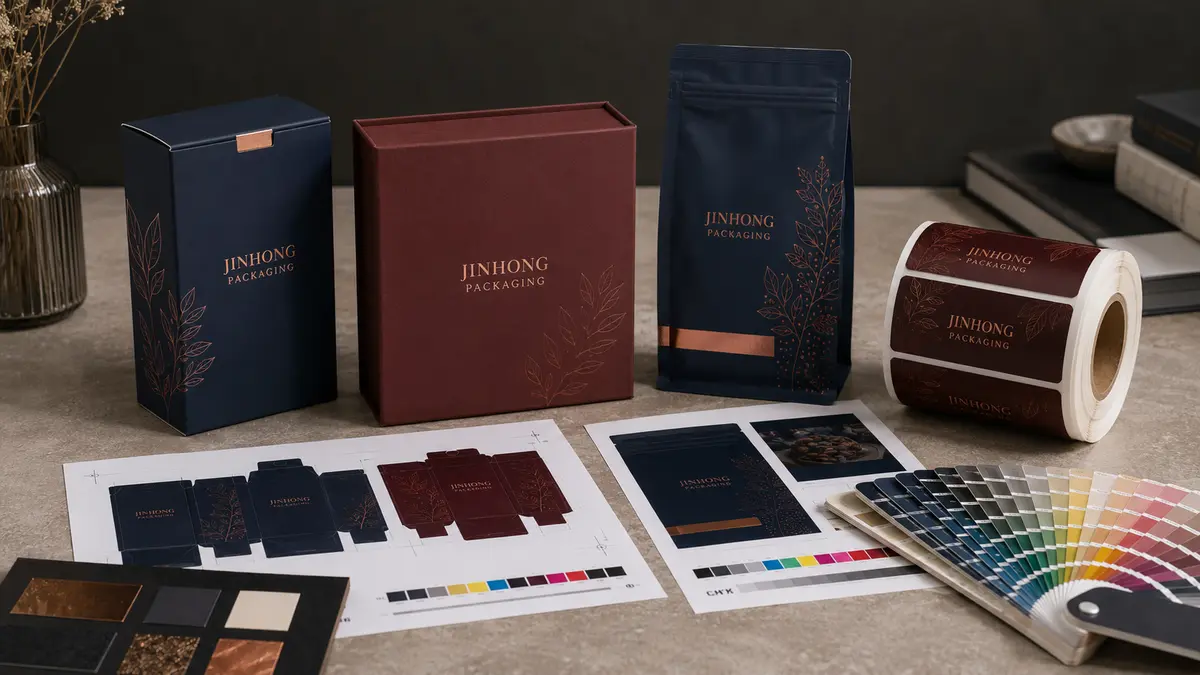
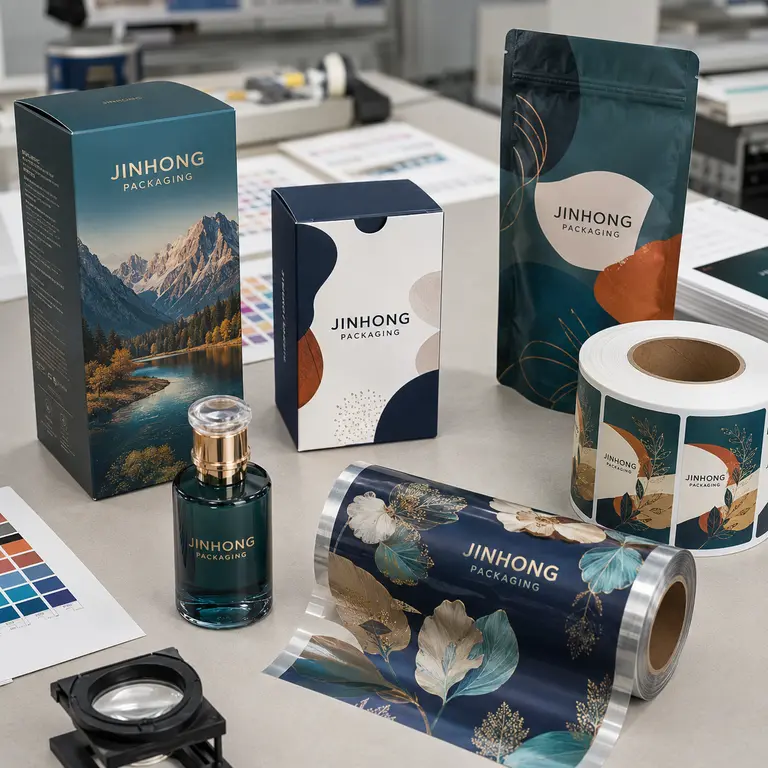
Choosing the right printing process affects color accuracy, cost, lead time and the final appearance of your packaging. However, not every decorative process is technically a printing method. Offset, digital, flexographic, screen and gravure printing apply ink or imagery, while foil stamping, embossing, spot UV and lamination are finishing techniques added after or alongside printing.
This guide explains five common custom packaging printing methods and four finishing options. It also shows which processes are commonly considered for folding cartons, rigid boxes, labels and flexible packaging.
1. Offset Printing
Offset printing transfers ink from a printing plate to a rubber blanket and then onto the packaging material. It is widely used for folding cartons, paper sleeves, labels and printed wrapping paper when detailed graphics and consistent color are important.
The process requires printing plates and setup, so it is generally more economical for medium or large orders than for very small quantities. Offset printing works well with CMYK artwork, Pantone colors, fine text and detailed product images.
Best suited for:
• Folding cartons
• Paper sleeves
• Rigid box wrapping paper
• Medium- to high-volume orders
• Packaging requiring consistent brand colors
Main consideration:
Plate preparation and machine setup can increase the initial cost and lead time.
2. Digital Printing
Digital printing transfers artwork directly from a digital file without conventional printing plates. This reduces setup requirements and makes it practical for samples, short runs, seasonal packaging and projects with several artwork versions.
It can be used for selected folding cartons, labels, corrugated packaging and flexible packaging materials, depending on the available printing equipment and substrate.
Best suited for:
• Small orders
• Packaging samples
• Multiple SKUs
• Limited-edition packaging
• Fast artwork changes
• Personalized or variable designs
Main consideration:
Digital printing offers flexibility, but unit costs may become less competitive as order quantities increase. Material compatibility, color matching and available finishes should also be confirmed before production.
3. Flexographic Printing
Flexographic printing uses flexible relief plates and fast-drying inks to print on rolls of paper, film, foil and other packaging materials. It is one of the most common processes for flexible packaging, labels, paper bags and corrugated packaging.
The process is efficient for continuous, high-volume production. Modern flexographic printing can reproduce strong brand colors, patterns and detailed graphics, although the final result depends on the artwork, plate quality, substrate and ink system.
Best suited for:
• Coffee bags
• Food pouches
• Rollstock film
• Labels
• Paper bags
• Corrugated packaging
• Medium- to high-volume production
Main consideration:
Printing plates create an initial setup cost, so flexographic printing may not be the most economical option for very small orders.
4. Screen Printing
Screen printing pushes ink through a prepared mesh screen onto the packaging surface. It can create strong, opaque color and is useful for printing on materials or finished packaging components that may be difficult to print using standard processes.
It is commonly considered for bottles, jars, tubes, fabric bags, specialty papers and selected rigid packaging applications. Screen printing can also be used when a brand needs bold logos, simple graphics or tactile ink effects.
Best suited for:
• Bottles and jars
• Cosmetic tubes
• Fabric pouches
• Specialty packaging materials
• Bold logos and limited-color designs
Main consideration:
Screen printing is generally better suited to simple artwork and limited color counts than to detailed photographic images.
5. Gravure Printing
Gravure printing uses engraved cylinders to transfer ink onto packaging material. It delivers consistent color and fine image reproduction across long production runs.
This process is commonly associated with high-volume flexible packaging, printed films, laminates and other roll-fed materials. Because each design requires engraved cylinders, the initial setup cost is considerably higher than digital or flexographic printing.
Best suited for:
• High-volume flexible packaging
• Printed films and laminates
• Detailed graphics
• Long repeat orders
• Projects requiring consistent print reproduction
Main consideration:
Cylinder costs and setup requirements usually make gravure printing unsuitable for small orders or artwork that changes frequently.
Packaging Finishes and Decorative Techniques
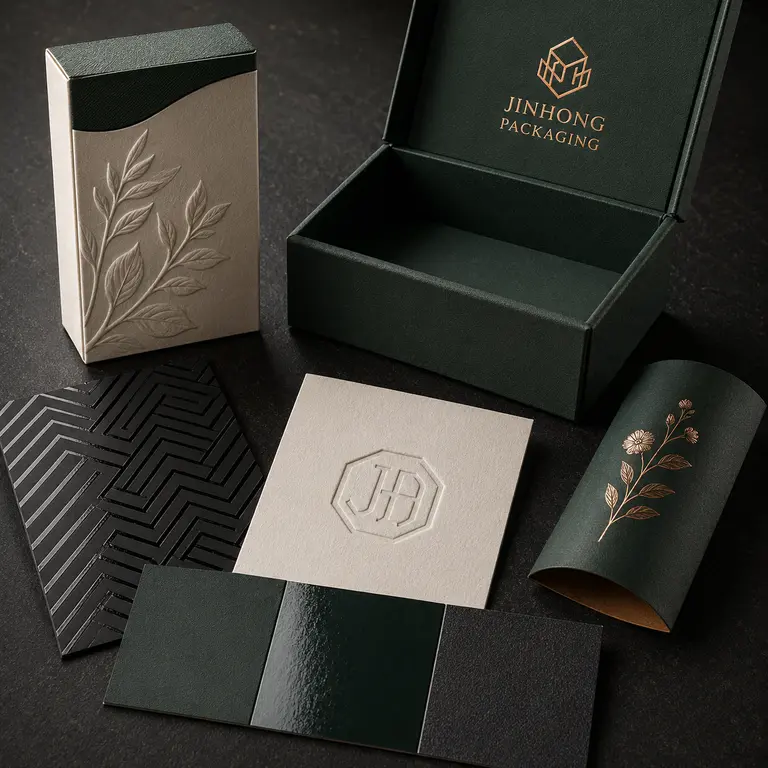
Printing can be combined with finishing techniques to improve protection, texture and visual impact. These processes are not standalone printing methods, but they can significantly change how the final packaging looks and feels.
6. Spot UV
Spot UV applies a clear glossy coating to selected areas of the printed packaging and cures it with ultraviolet light. It creates contrast between glossy and matte surfaces, helping logos, patterns or product names stand out.
This finish is frequently combined with matte lamination to create a more noticeable visual and tactile effect.
Best suited for:
• Logos and brand names
• Selected patterns or illustrations
• Premium folding cartons
• Rigid box wrapping paper
• Cosmetic and gift packaging
Main consideration:
Fine details, fold lines and areas close to cut edges require careful artwork preparation. Spot UV should be confirmed through a sample when precise alignment is important.
7. Hot Foil Stamping
Hot foil stamping uses a heated metal die and pressure to transfer a thin layer of foil onto the packaging surface. It can create metallic, holographic, matte or pigmented effects without using conventional printing ink.
Gold and silver are common choices, but foil is also available in other colors and specialty finishes. The process is widely used to emphasize logos, borders and small decorative elements.
Best suited for:
• Luxury cosmetic packaging
• Gift boxes
• Jewelry packaging
• Folding cartons
• Labels and paper sleeves
• Logos and decorative details
Main consideration:
A custom stamping die is required. Very thin lines, large solid foil areas and textured materials may require testing before production.
8. Embossing & Debossing
Embossing raises a selected design above the packaging surface, while debossing presses the design inward. Both techniques use custom dies to add depth and texture without relying only on printed color.
They are often applied to logos, patterns and brand names. Embossing and debossing can also be combined with foil stamping to create a more distinctive premium finish.
Best suited for:
• Brand logos
• Luxury folding cartons
• Rigid boxes
• Paper sleeves
• Premium labels
• Minimalist packaging designs
Main consideration:
The effect depends on paper thickness, surface texture and the size of the design. Fold lines, edges and highly detailed artwork should generally be avoided.
9. Lamination
Lamination applies a thin protective film over the printed packaging surface. It can improve resistance to scuffing, moisture and handling while also changing the visual and tactile finish.
Common options include matte, gloss and soft-touch lamination. Matte lamination creates a smooth, understated appearance, gloss lamination increases shine and color intensity, and soft-touch lamination adds a velvety surface.
Best suited for:
• Folding cartons
• Rigid box wrapping paper
• Paper bags
• Cosmetic packaging
• Gift packaging
• Packaging requiring additional surface protection
Main consideration:
The laminate type should be selected according to the packaging material, desired appearance and recycling requirements. Some films or mixed-material structures can affect recyclability, so material claims should be confirmed for the final construction.
How to Choose the Right Printing Method
The best custom packaging printing method depends on the packaging material, order quantity, artwork and required finish. A process that works well for a paper folding carton may not be suitable for a flexible pouch or glass bottle.
Before selecting a process, consider the following factors.
Order Quantity
Digital printing is often considered for samples, short runs and projects with several artwork versions because it does not require conventional printing plates.
Offset and flexographic printing generally become more practical as quantities increase. Gravure printing is normally reserved for long, repeat production runs because engraved cylinders require a higher initial investment.
Packaging Material
The substrate determines which printing processes are technically suitable.
Offset printing is commonly used for paperboard and printed wrapping paper. Flexographic and gravure printing are widely used for roll-fed films, labels and flexible packaging. Screen printing can be suitable for selected bottles, jars, tubes and specialty surfaces.
Artwork and Color Requirements
Detailed images, fine text and precise brand colors may require a process with strong color control and image reproduction. Simpler logos and limited-color designs may work well with flexographic or screen printing.
Pantone colors, CMYK artwork, white ink and metallic effects should be discussed before sampling because results can vary between materials and printing processes.
Budget and Setup Cost
The lowest unit price does not always represent the lowest total project cost. Printing plates, cylinders, dies, material waste, sampling and finishing processes can all affect the final quotation.
Brands should compare setup costs, unit costs and expected repeat quantities before choosing a method.
Lead Time and Artwork Changes
Digital printing can support faster artwork changes and multiple SKUs. Traditional printing methods require plates or cylinders, so changes after approval may create additional cost and delay.
Final artwork, dimensions, colors and regulatory information should be confirmed before production begins.
Which Printing Method Is Best for Different Packaging Types?
Different packaging formats require different combinations of printing and finishing.
For folding cartons and paper sleeves, offset or digital printing may be considered depending on quantity, material and artwork. Foil stamping, embossing, spot UV and lamination can then be added to support the desired brand presentation.
For flexible packaging such as coffee bags, food pouches and rollstock, flexographic, digital or gravure printing may be used depending on order quantity and material structure.
For bottles, jars and tubes, screen printing, labels or other decoration methods may be evaluated according to the container material and design.
Explore related packaging options:
• Folding Carton Boxes
• Coffee Packaging
• Custom Cosmetic Boxes
• Custom Food Packaging Bags
Why Printing Method Affects Packaging Quality
Printing affects more than appearance. The selected process influences color consistency, fine-detail reproduction, ink coverage, surface durability and compatibility with finishing techniques.
A design may look different when printed on coated paperboard, kraft paper, plastic film or textured specialty paper. For this reason, artwork should be evaluated together with the material and box or pouch structure.
A structural sample helps confirm dimensions and assembly, while a printed sample helps review color, text size, barcode readability and finishing details before a larger order proceeds.
Printing and Sustainable Packaging Decisions
Sustainable packaging decisions should consider the complete structure rather than one material or printing claim alone. Paper source, ink system, coatings, lamination, adhesives and the ability to separate components can all affect the final packaging.
FSC-certified paper can support responsible forest sourcing when certification applies to the selected material and supply chain. Brands can review current certification information through the Forest Stewardship Council.
Recyclability and environmental claims should be confirmed for the complete packaging structure and the intended market instead of being assumed from appearance alone.
Conclusion
Choosing between custom packaging printing methods requires more than comparing appearance alone. Order quantity, packaging material, artwork, color requirements, setup cost and future repeat orders all influence the most suitable process.
Offset, digital, flexographic, screen and gravure printing serve different packaging applications. Spot UV, foil stamping, embossing, debossing and lamination can then be added to improve texture, protection or visual impact.
The right combination should support the product, brand positioning and total project budget while remaining practical for sampling, production and delivery.
Need Help Selecting a Printing Method?
Jinhong Packaging supports brands with packaging sourcing, material selection, printing recommendations, sampling and production coordination. We work with selected manufacturing partners to compare suitable processes according to your packaging type, artwork, quantity and target finish.
Frequently Asked Questions
What is the best printing method for custom packaging?
There is no single printing method that is best for every project. Offset printing is commonly considered for detailed paperboard packaging at medium or higher quantities, while digital printing can be practical for samples, short runs and multiple SKUs. Flexible packaging may use flexographic, digital or gravure printing depending on the material and order volume.
Which printing method is best for small orders?
Digital printing is often suitable for small orders because it does not require conventional printing plates. However, minimum order quantities still depend on the packaging structure, material, converting process and available equipment.
What printing methods are used for flexible packaging?
Flexographic, digital and gravure printing can all be used for flexible packaging. The choice depends on the film or paper structure, artwork, order quantity, color requirements and whether the design will be repeated over future orders.
What is the difference between printing and finishing?
Printing applies ink, color or imagery to the packaging surface. Finishing techniques such as foil stamping, embossing, spot UV and lamination are added to create texture, shine, protection or selected decorative effects.
Can Pantone colors be matched on packaging?
Pantone colors can be specified for many packaging projects, but the final appearance may vary according to the printing process, substrate, coating and lighting. A printed sample or approved color reference is recommended when precise brand color is important.
Can different printing and finishing techniques be combined?
Yes. Offset printing may be combined with foil stamping, embossing, spot UV or lamination, while other packaging formats may use different compatible combinations. Material suitability and production tolerances should be confirmed before finalizing the artwork.
Do I need a printed sample before production?
A printed sample is recommended when color accuracy, small text, barcodes, special finishes or material appearance are important. The appropriate sample type depends on the printing method, packaging structure and project budget.