Medical Packaging Testing and Validation Support
Testing, documentation and third-party laboratory coordination support for sterile medical device packaging projects under customer-defined validation requirements.
Medical Packaging Validation Overview
Medical packaging validation provides documented evidence that a packaging system and its production processes are capable of meeting defined requirements for the intended medical device, sterilization method, distribution environment and shelf life.
For terminally sterilized medical devices, validation may involve the packaging materials, sterile barrier system, protective packaging, sealing process and finished package. Testing should be based on the specific device and package rather than on a general material certificate alone.
ISO 11607-1 addresses requirements and test methods for materials, sterile barrier systems and packaging systems intended to maintain sterility until the point of use. ISO 11607-2 addresses validation requirements for forming, sealing and assembly processes.
The required tests, sample quantities, conditioning, acceptance criteria and validation responsibilities must be established by the medical device company according to its risk assessment, regulatory market and quality system.
Jinhong Packaging does not act as the medical device manufacturer or validation laboratory. We can help coordinate packaging specifications, supplier documents, samples and third-party testing enquiries according to customer-defined project requirements.
Key Testing Categories
A medical packaging validation plan may include several testing categories. The applicable methods and acceptance criteria depend on the device, package design, materials, sterilization process and intended distribution conditions.
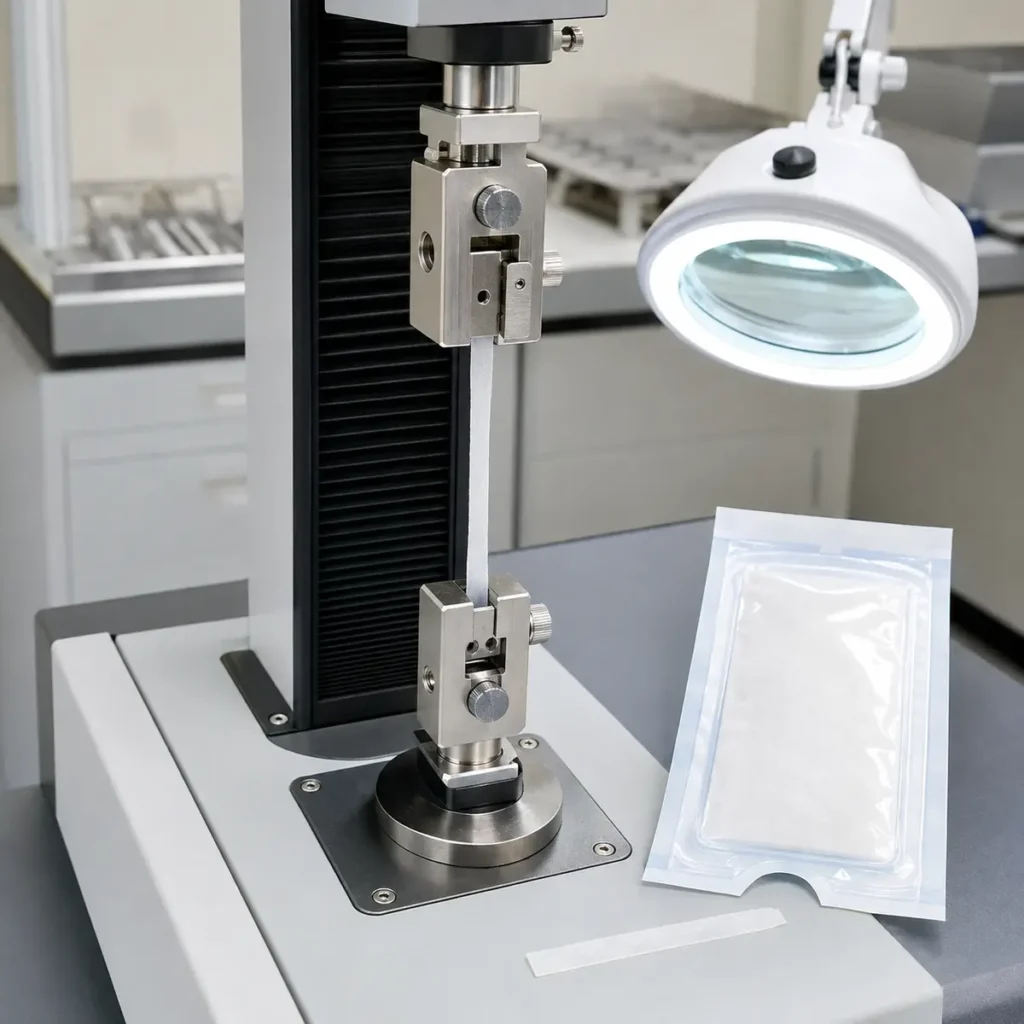
Seal Strength and Package Integrity
Seal strength testing can provide quantitative information about seal consistency and opening force. Package integrity methods may be used to identify channels, gross leaks or other conditions that could compromise the sterile barrier system.
One test result does not replace evaluation of the complete package. Test method suitability, sampling locations and acceptance criteria should be defined for the specific packaging system.
Aging and Shelf-Life Evaluation
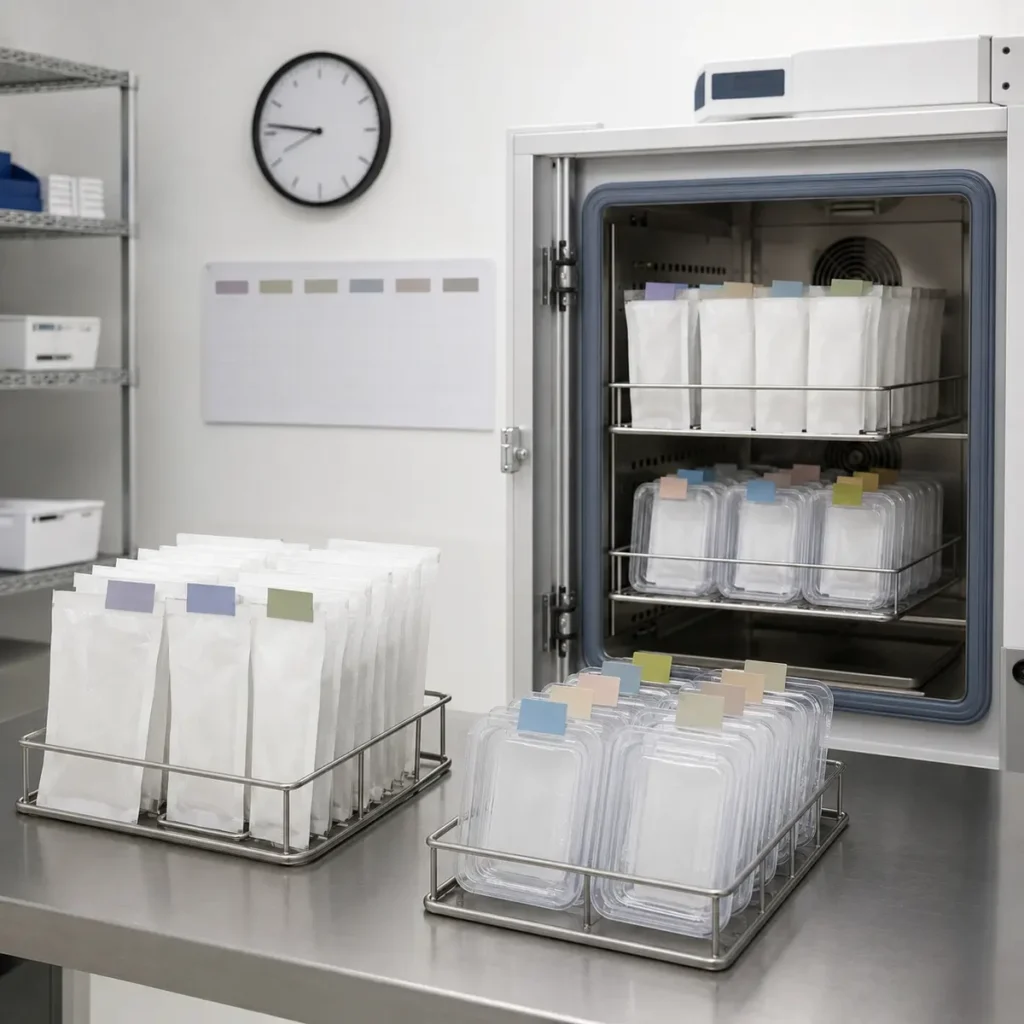
Accelerated and real-time aging studies may be used to evaluate whether the packaging system can maintain its required performance over the proposed shelf life.
Aging conditions, duration, material behavior and post-aging tests should be defined according to the package, device and validation plan. Accelerated aging does not eliminate the need for an ongoing real-time aging program where applicable.
Distribution and Process Validation
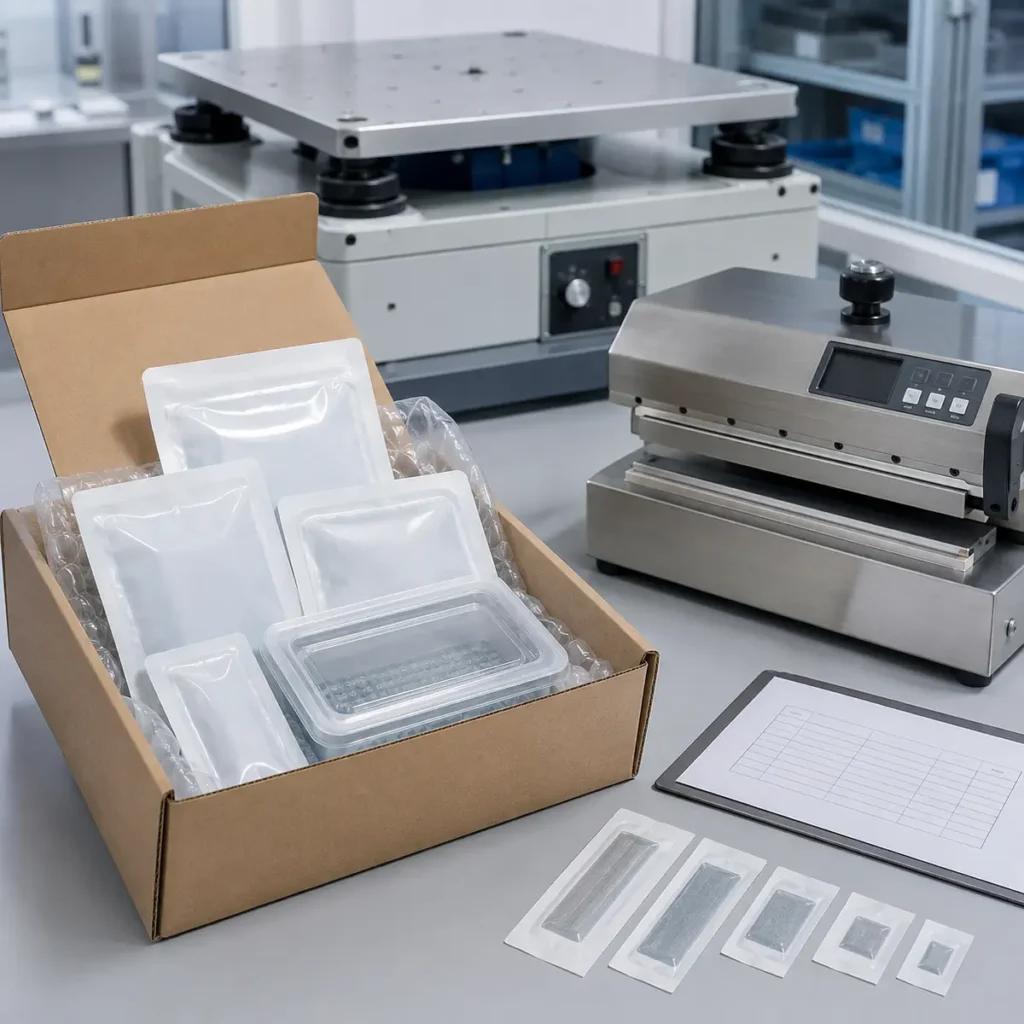
Distribution testing may evaluate the effect of vibration, shock, compression and handling on the packaged device and sterile barrier system.
Packaging process validation addresses forming, sealing and assembly operations. Process parameters, equipment controls and operational ranges should be developed and validated by the organization responsible for the packaging process.
Packaging Validation Framework
A medical packaging validation project should begin with clearly defined requirements. Selecting test methods before the device, package, sterilization process and acceptance criteria are understood can result in incomplete or irrelevant data.
Packaging System Evaluation
Packaging system evaluation considers the medical device, sterile barrier system and protective packaging as an integrated configuration.
The project should identify device dimensions, weight, sharp or delicate areas, packaging materials, seal design, sterilization method, proposed shelf life, distribution environment and point-of-use opening requirements.
Applicable test methods should then be selected according to the risks and required package performance. Test reports from a material supplier may support the evaluation, but they do not automatically validate the final packaged device.
Packaging Process Validation
Packaging process validation focuses on the processes used to form, seal and assemble the packaging system. For heat-sealing operations, variables may include temperature, pressure, dwell time, line speed, tooling condition and material variation.
Validation activities commonly consider installation qualification, operational qualification and performance qualification. The exact protocol, sampling plan, operating ranges and acceptance criteria must be defined by the organization responsible for the packaging process.
A validated process should also include routine controls, monitoring, documentation and procedures for evaluating changes.
Typical Validation Sequence
1. Define Requirements
Identify the device, packaging configuration, sterilization process, shelf-life objective, distribution conditions, regulatory market and packaging risks.
2. Establish Test Plan
Select applicable test methods, sample groups, conditioning requirements and acceptance criteria before laboratory testing begins.
3. Conduct Testing
Prepare representative samples, complete the defined sterilization, aging, distribution and package-performance testing, and document the results.
4. Review and Maintain
Review results against the approved criteria and maintain validation through routine monitoring, change control and revalidation where required.
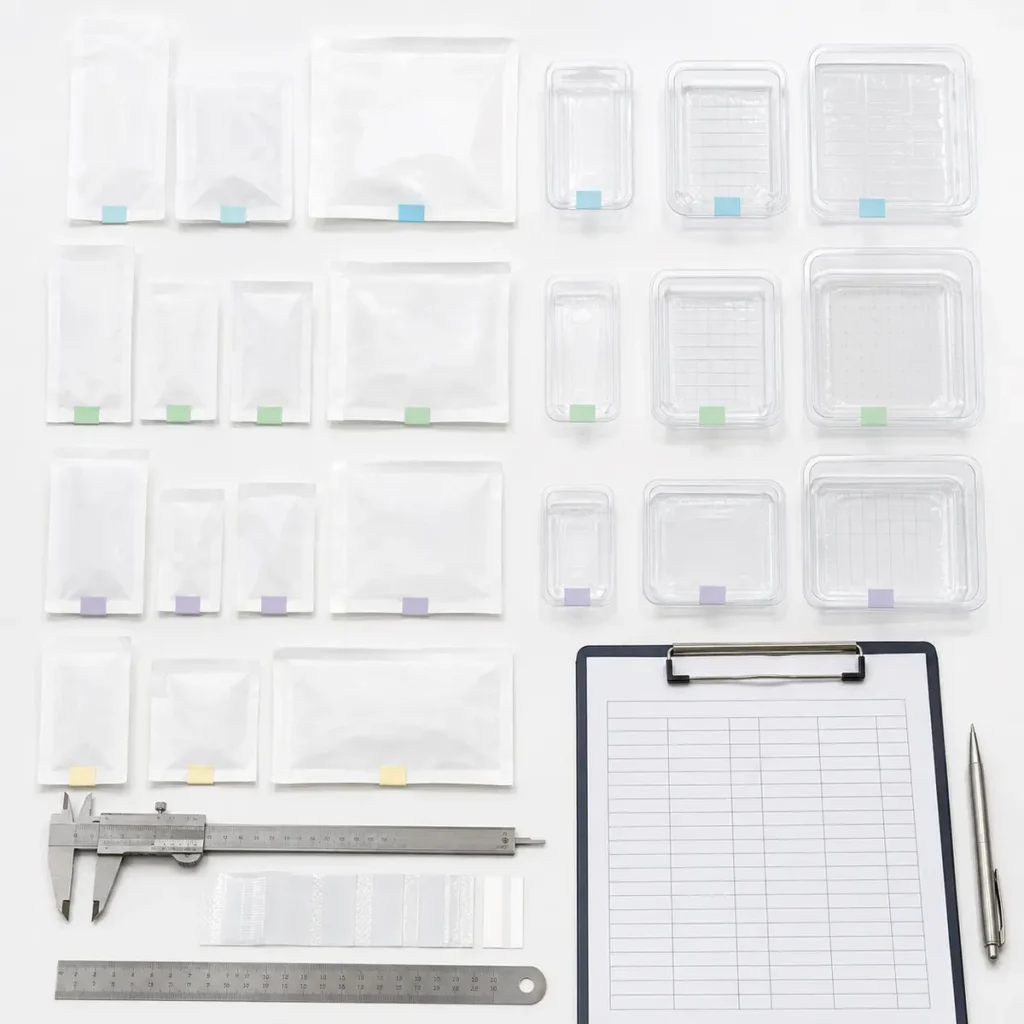
Representative samples, defined test conditions and documented acceptance criteria are essential parts of a packaging validation plan.
Typical Packaging Tests
The following table provides examples of tests that may be considered during medical packaging validation. It is not a universal test plan. Applicable methods, sample quantities, conditioning and acceptance criteria must be determined for the specific device and packaging system.
| Testing Category | Example Method | What It May Evaluate | Important Considerations |
|---|---|---|---|
| Seal Strength | ASTM F88/F88M | Force required to separate a test strip containing the package seal | Technique, sample width, orientation and material behavior affect the result |
| Visual Seal Inspection | ASTM F1886/F1886M | Visible seal defects, channels or process-related seal variation | Visual inspection may not detect every type or size of package defect |
| Dye Penetration | ASTM F1929 | Selected channel leaks in seals between transparent and porous packaging materials | Applicability depends on package materials and test configuration |
| Gross Leak Detection | ASTM F2096 | Gross leaks in selected porous and nonporous package systems | Internal pressurization and package material behavior must be considered |
| Burst or Creep Testing | ASTM F1140/F1140M | Package resistance to internal pressurization and seal failure behavior | Results depend on package geometry, material and pressurization conditions |
| Accelerated Aging | ASTM F1980 | Effects of time and elevated temperature on the packaging system | Material temperature limits and an ongoing real-time aging program should be considered |
| Distribution Simulation | ASTM D4169 | Package response to defined handling, vibration, compression and impact hazards | Distribution cycle and assurance level should match the intended shipping environment |
| Atmospheric Conditioning | ASTM D4332 | Conditioning of packages before specified physical performance tests | Temperature and humidity conditions should match the approved test plan |
| Material Barrier Testing | OTR, WVTR or other project-specific methods | Oxygen, moisture or other barrier characteristics of selected materials | Material-level data does not automatically represent finished-package performance |
| Microbial Barrier Evaluation | Material- or package-specific methods | Resistance of the selected sterile barrier material or system to microbial penetration | Method selection depends on the material, package configuration and validation objective |
Project Information and Test Planning
A useful testing enquiry requires more than the name of a packaging material. The laboratory or project partner needs enough information to understand the medical device, finished package, test objective and required reporting format.
1. Device and Package Information
Provide the device description, dimensions, weight, package format, materials, seal design and any sharp or sensitive areas that may affect package performance.
2. Sterilization and Aging
Identify the intended sterilization method, process status, proposed shelf life and whether accelerated, real-time or post-sterilization samples will be evaluated.
3. Distribution Conditions
Define the intended transport route, shipping unit, secondary packaging, pallet configuration and environmental or handling conditions where applicable.
4. Test and Reporting Requirements
Confirm the requested standards, sample groups, quantities, acceptance criteria, report language and any laboratory accreditation requirements.
Information to Prepare Before Requesting Testing
Before requesting a quotation from a laboratory, the project should define whether the testing is for material comparison, package development, process validation, aging, distribution evaluation or regulatory documentation.
The sample condition should also be clear. Samples may be unsterilized, sterilized, aged, distribution-conditioned or prepared at defined process settings. Mixing different sample conditions without a documented plan can make the results difficult to interpret.
Acceptance criteria should be approved before testing begins. A laboratory can report measured results, but it does not normally establish the medical device company’s product-specific acceptance criteria unless this is included in a separately agreed technical scope.
The required report format, laboratory qualification and target market should also be confirmed before samples are shipped.
A clear test matrix showing sample groups, conditioning sequence, test methods and acceptance criteria can reduce repeated testing and prevent misunderstandings between the customer, packaging supplier and laboratory.
Documentation and Project Coordination
Medical packaging validation documentation may include packaging specifications, material certificates, drawings, approved test protocols, equipment records, sealing process data, sterilization information, laboratory reports, aging records and final validation conclusions.
Supplier documents can provide useful evidence about a specific material or preformed package. However, a material specification, certificate of analysis or supplier test report does not automatically validate the final packaging system used for a particular medical device.
ISO 11607-1 provides requirements for packaging materials, sterile barrier systems and packaging systems. ISO 11607-2 addresses validation of forming, sealing and assembly processes. The medical device company should determine how supplier evidence, internal process records and third-party laboratory reports are incorporated into its controlled validation documentation.
Laboratory selection may depend on the required test method, accreditation scope, target market, sample location, reporting language and project schedule. These requirements should be confirmed before samples are prepared or shipped.
How Jinhong Packaging Supports Validation Preparation
Jinhong Packaging supports packaging-related coordination within the scope defined by the customer. We do not replace the medical device manufacturer, regulatory consultant or qualified testing laboratory.
Our coordination may include:
Collecting available packaging material specifications and supplier certificates
Confirming package drawings, dimensions and material configurations
Coordinating representative packaging samples with selected manufacturing partners
Communicating customer-defined test requirements to suppliers or third-party laboratories
Coordinating testing quotations, sample shipment information and project schedules
Organizing available reports and packaging documents for customer review
The customer remains responsible for approving the validation plan, selecting applicable standards, establishing acceptance criteria, reviewing test results and determining whether the finished packaging system meets its regulatory and quality requirements.
Explore related packaging formats through our sterilization pouches and rolls, medical blister trays and lidding, and sterile barrier packaging guide.
For material compatibility considerations before package testing, review our guide to medical packaging for sterilization methods.
Medical Packaging Validation Preparation Checklist
| Information to Prepare | What to Confirm | Why It Matters |
|---|---|---|
| Medical Device | Device dimensions, weight, geometry, sharp edges and product photos or drawings | Helps define package size, strength and protection requirements |
| Packaging System | Pouch, roll, header bag, tray and lid, or other packaging configuration | Determines which materials, seals and package tests may be relevant |
| Sterilization Process | EO, steam, radiation or other validated sterilization method and process conditions | Packaging materials and seals must be compatible with the intended process |
| Sealing Process | Equipment type, temperature, pressure, dwell time and seal width | ISO 11607-2 addresses validation of forming, sealing and assembly processes |
| Performance Requirements | Seal strength, package integrity, peel, puncture and opening requirements | Defines what the finished package must demonstrate during evaluation |
| Shelf Life & Distribution | Target shelf life, aging plan, shipping method and distribution conditions | Package performance must be considered after storage and distribution exposure |
| Documentation | Material specifications, supplier documents, test reports and change-control needs | Supports technical review and the customer’s validation documentation |
Important: Supplier documents and material data can support package development, but they do not replace validation of the finished medical device packaging system. The responsible medical device organization should define the applicable validation plan, acceptance criteria and regulatory requirements.
For a step-by-step buyer checklist, read our medical packaging validation preparation guide before confirming samples, test plans, sealing information and supplier documents.
Frequently Asked Questions About Medical Packaging Validation
What is medical packaging validation?
Medical packaging validation provides documented evidence that the packaging system and its production processes can meet defined requirements for the intended medical device, sterilization process, distribution environment and shelf life. The scope should be established according to the device, package and applicable regulatory requirements.
Does passing one packaging test complete the validation?
No. An individual seal-strength, leak or distribution test provides information about a specific package characteristic under defined conditions. Complete validation may require several test categories, approved acceptance criteria, representative samples and documented process-validation activities.
What is the difference between package testing and process validation?
Package testing evaluates characteristics of the materials, seals or finished packaging system. Process validation evaluates whether forming, sealing and assembly operations can consistently produce packages that meet approved requirements within defined operating ranges.
Does accelerated aging replace real-time aging?
Accelerated aging may provide earlier information about packaging performance over a proposed shelf life, but it does not automatically eliminate the need for an ongoing real-time aging program where applicable. The aging plan should consider material limits, test conditions and regulatory expectations.
Can Jinhong Packaging perform medical packaging validation?
Jinhong Packaging is not a medical device manufacturer or validation laboratory. We can coordinate available packaging documents, samples, supplier information and third-party laboratory enquiries according to customer-defined requirements. The customer remains responsible for the validation plan, acceptance criteria and final approval.
What information is needed to request testing coordination?
Please provide the device and package description, material structure, package dimensions, sterilization method, proposed shelf life, distribution conditions, requested test methods, sample groups, quantities, acceptance criteria, target market and reporting requirements.
Explore our complete Medical & Healthcare Packaging solutions for related sterile barrier packaging formats and project coordination support.
Discuss Your Medical Packaging Validation Requirements
Preparing packaging samples, supplier documents or third-party testing enquiries for a sterile medical device packaging project?
Share your package specification, test objectives, required standards, sample groups and project schedule. Jinhong Packaging can coordinate packaging-related information and testing enquiries within the scope defined by your team.