High-Barrier Packaging for Medical Devices
High-barrier medical device packaging helps protect moisture-, oxygen- and light-sensitive devices, components and healthcare products during storage, transportation and distribution.
Jinhong Packaging supports medical device companies, importers and distributors with aluminum foil pouches, multilayer composite pouches and protective overwrap structures sourced through selected manufacturing partners.
Material structures and packaging formats can be coordinated according to the product sensitivity, required barrier performance, sealing process, sterilization status, shelf-life requirements and target market.
Explore our complete medical and healthcare packaging solutions for additional medical device and sterile barrier packaging formats.
Why Medical Devices May Require High-Barrier Packaging
Some medical devices and healthcare components can be affected by moisture, oxygen, ultraviolet light, contamination or changes in the surrounding environment.
A suitable high-barrier structure can help reduce exposure to these conditions. The required performance depends on the packaged product, intended shelf life, storage environment, distribution conditions and whether the pouch functions as primary packaging, protective packaging or part of a validated sterile barrier system.
Barrier performance should be confirmed for the complete material structure and finished package—not assumed from the presence of an aluminum foil or metallized layer alone.
For broader industrial moisture-control and protective packaging projects, explore our moisture barrier and aluminum foil bags and the wider protective and clean packaging solutions range.
Moisture Barrier
Suitable laminate structures can help limit water-vapour transmission and protect moisture-sensitive devices and components.
Oxygen Barrier
High-barrier films and foil laminates can help reduce oxygen transmission according to the required package performance.
Light Protection
Opaque foil-containing structures can provide protection from visible and ultraviolet light where required by the packaged product.
Physical Protection
Multilayer structures can provide puncture resistance, sealability and mechanical protection appropriate to the device and distribution environment.
High-Barrier Packaging Formats
Different medical products require different material structures and pouch configurations. We coordinate suitable formats according to product sensitivity, sealing requirements, packaging equipment, sterilization status and required documentation.
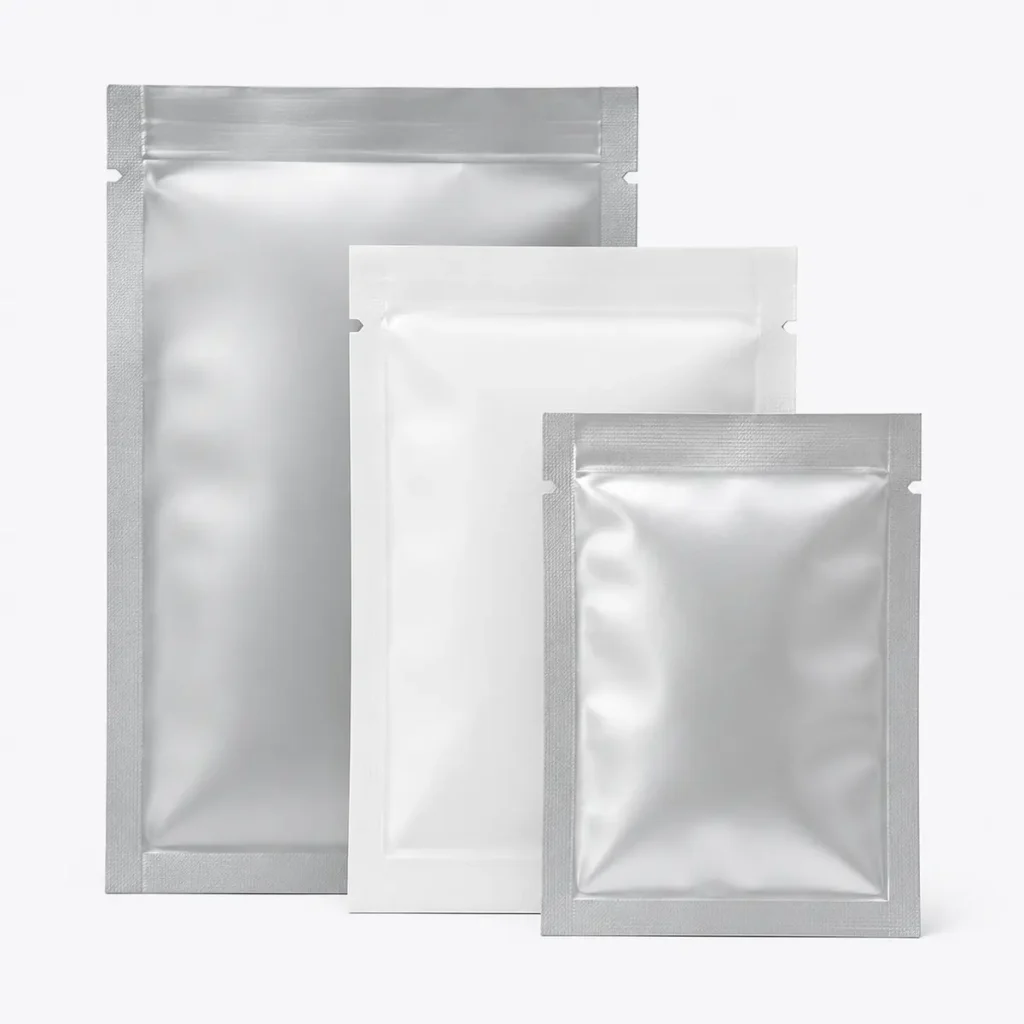
Medical Aluminum Foil Pouches
Aluminum foil pouches combine a foil barrier layer with suitable outer and sealant layers to support protection from moisture, oxygen and light.
Flat, three-side-seal and customized pouch configurations may be reviewed according to the medical device, component or healthcare product.

High-Barrier Composite Pouches
Multilayer composite pouches can combine selected films, barrier layers and sealant materials to balance protection, durability, sealability and package presentation.
Available structures depend on the required barrier level, product compatibility, sterilization status and manufacturing feasibility.
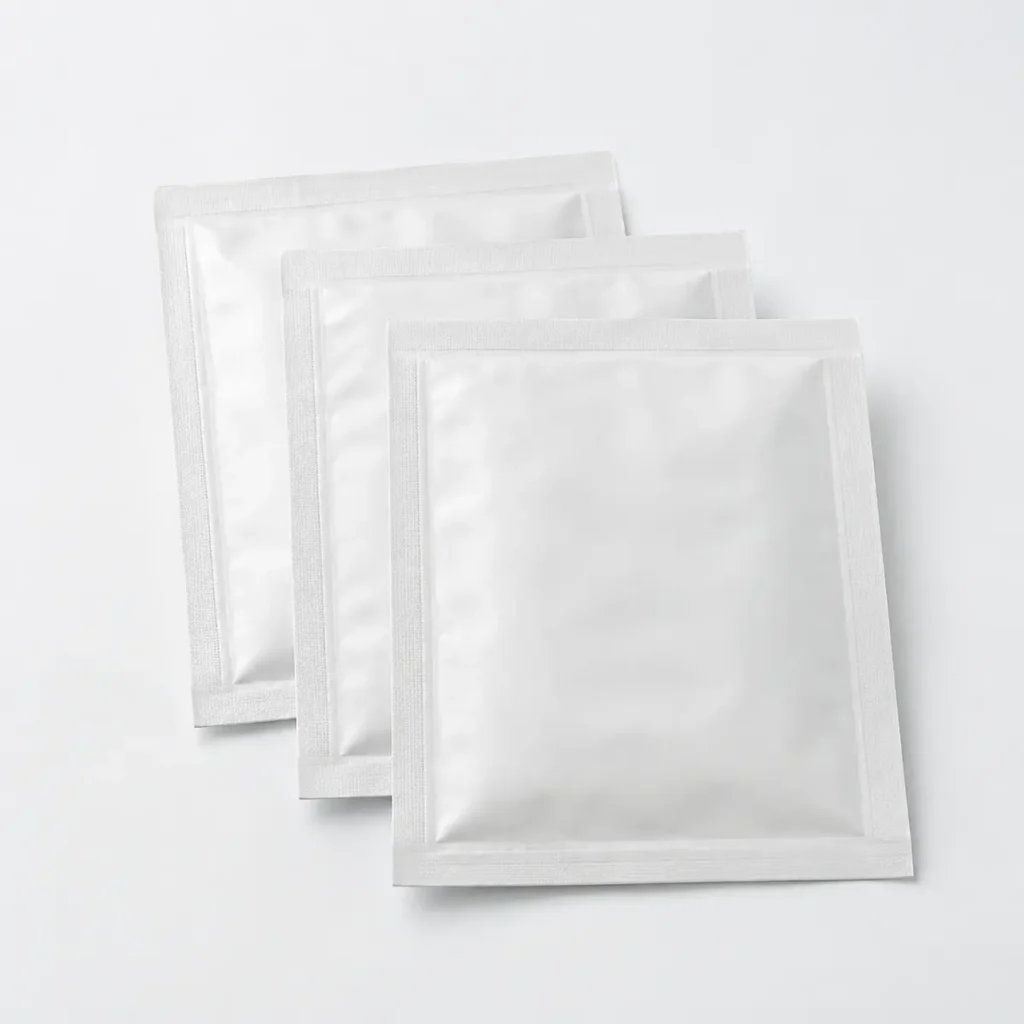
Easy-Open and Tear-Notch Pouches
Tear notches, peelable configurations and other opening features may be coordinated to support controlled access and user convenience.
The opening method should be selected according to the package function, product protection and intended use.
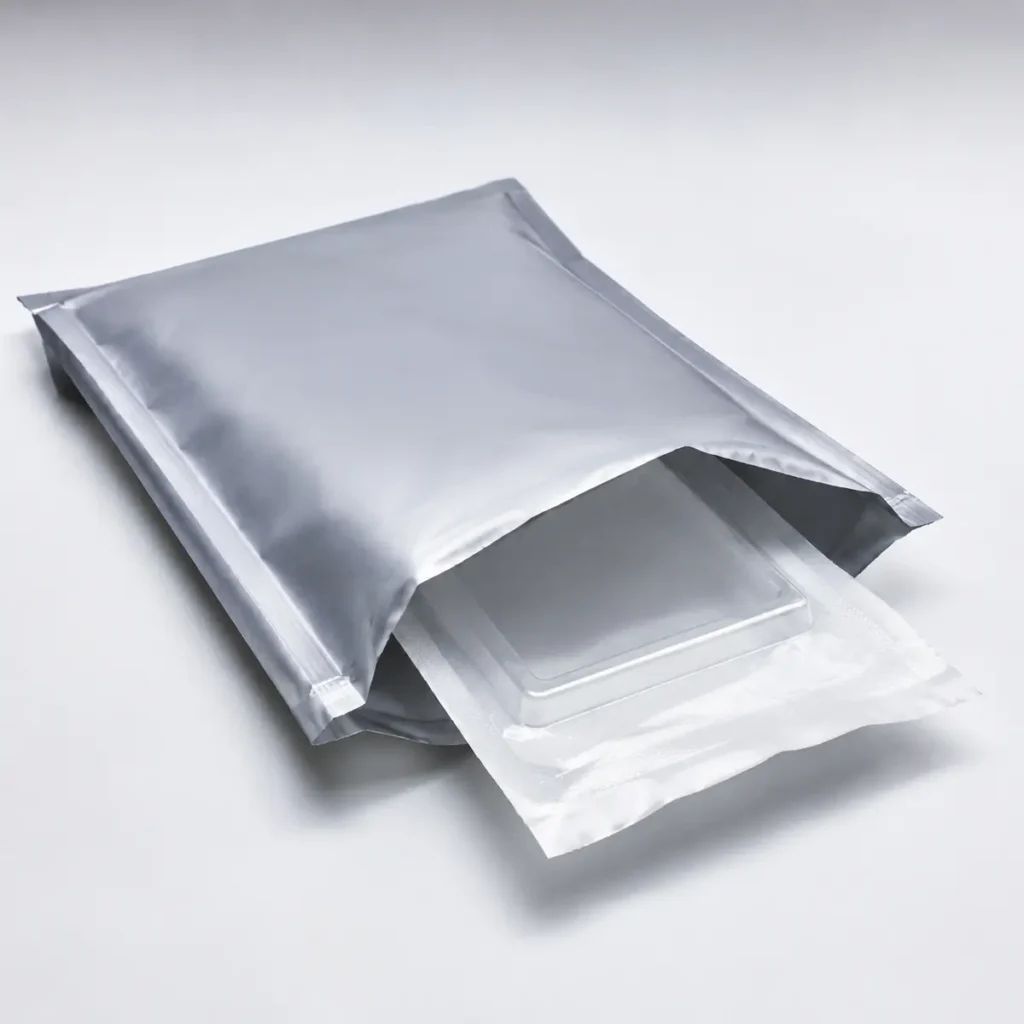
Protective Overwrap Packaging
High-barrier pouches may be used as protective overwrap around a separate primary package or sterile barrier system where additional moisture, oxygen or light protection is required.
The overwrap and inner packaging must be evaluated as part of the complete packaging configuration.
Multilayer Barrier Material Structures
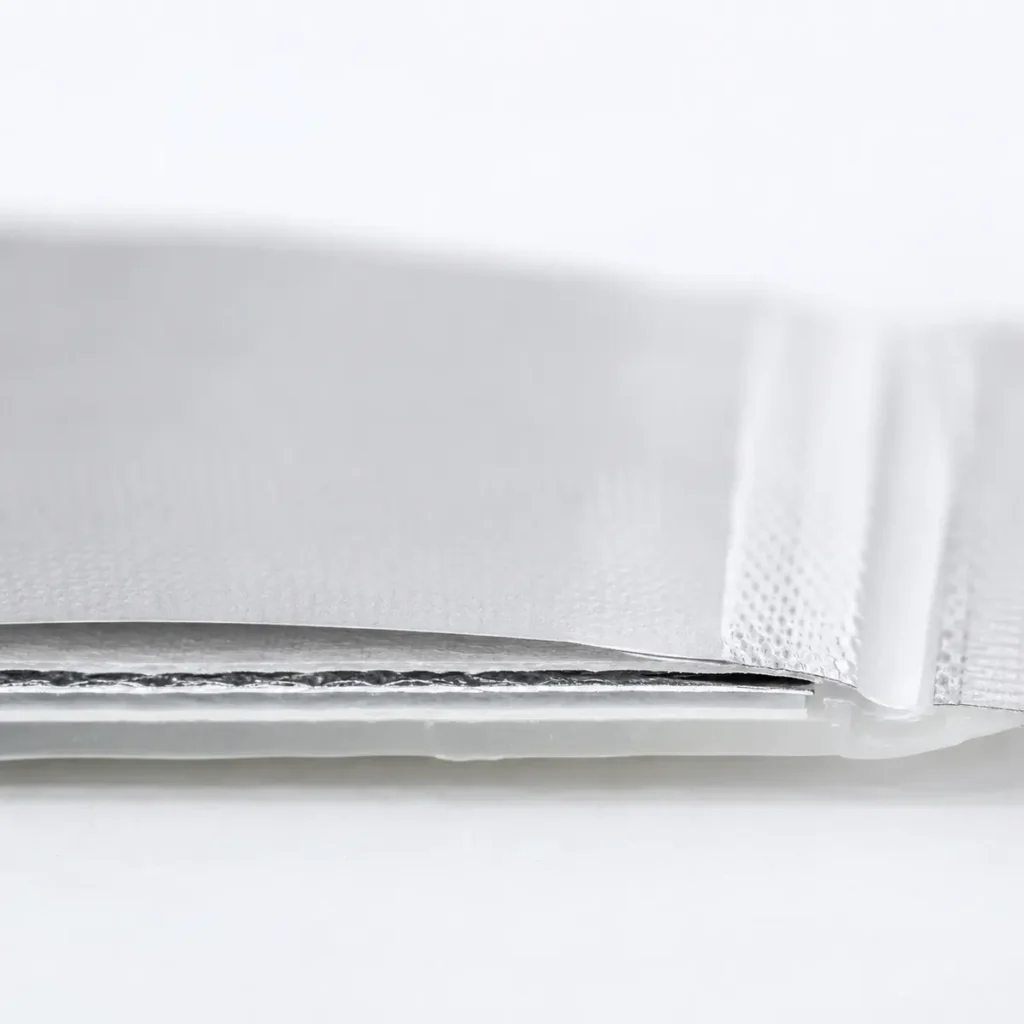
High-barrier medical packaging is commonly developed as a multilayer laminate. Each layer performs a different function, such as printing protection, mechanical strength, moisture or oxygen barrier, puncture resistance and heat sealing.
A typical structure may include an outer film, an aluminum foil or other barrier layer, an adhesive system and an inner sealant layer. The final construction should be confirmed according to product compatibility, packaging equipment, sealing conditions, storage requirements and intended sterilization status.
Outer Protective Layer
The outer layer supports printing, abrasion resistance, handling performance and protection of the underlying barrier layer.
Barrier Layer
Aluminum foil, metallized film or another barrier material may be selected according to the required moisture, oxygen and light protection.
Structural and Adhesive Layers
Intermediate films and adhesive systems support laminate strength, flexibility and compatibility between the different materials.
Inner Sealant Layer
The product-contact or inner sealant layer should provide suitable sealing performance and compatibility with the packaged medical device or component.
Material names alone do not define package performance. Layer thickness, foil quality, adhesive system, sealing conditions and finished-package integrity must also be considered.
When Is High-Barrier Packaging Usually Considered?
| Situation | Why High Barrier May Be Considered | Buyer Should Confirm |
|---|---|---|
| Moisture-Sensitive Device | Lower moisture transmission may be required to protect the packaged product | Required WVTR, storage conditions and target shelf life |
| Oxygen-Sensitive Product | Lower oxygen transmission may be required to limit oxygen exposure | Required OTR, product sensitivity and storage conditions |
| Light-Sensitive Component | Foil or opaque barrier structures may provide additional light protection | Required light protection and product sensitivity |
| Long Shelf-Life Requirement | Barrier performance may support package protection during extended storage | Target shelf life, aging requirements and storage environment |
| Puncture or Mechanical Risk | Multilayer structures may provide additional physical and puncture protection | Device geometry, sharp edges, handling and transportation conditions |
| Non-Breathable Package Is Suitable | A sealed high-barrier laminate may be suitable when breathability is not required | Sterilization method, sealing process and package validation requirements |
Important: High-barrier packaging should not be selected simply because “more barrier is better.” The required barrier level should be based on the medical device, sterilization method, storage conditions, shelf-life target and validated package performance.
Packaging Function and Sterilization Considerations
High-barrier pouches may be used for non-sterile medical products, for products sterilized using a compatible process, or as protective overwrap around a separate sterile barrier system.
Because aluminum foil and many high-barrier laminates are non-porous, they do not allow sterilizing gases or steam to pass through the package in the same way as medical-grade paper or Tyvek.
The packaging function and sterilization sequence must therefore be clarified before the material structure is selected.
For porous paper-and-film packaging used with selected steam or ethylene oxide processes, explore our sterilization pouches and rolls.
For stronger low-linting porous packaging and selected low-temperature sterilization applications, explore Tyvek medical packaging.
Non-Sterile Medical Products
High-barrier pouches may be used to protect suitable non-sterile medical devices, components, diagnostic products and healthcare supplies during storage and distribution.
Radiation-Compatible Packaging
Selected laminate structures may be suitable for products sterilized using gamma, electron-beam or X-ray processes. Every material layer, adhesive, ink and seal should be evaluated for the required radiation dose.
Protective Overwrap
A high-barrier outer pouch may provide additional environmental protection around a separately validated sterile barrier system.
Post-Sterilization Packaging
Certain products may be placed into protective barrier packaging after a validated sterilization or controlled manufacturing process. The applicable packaging environment and regulatory requirements must be determined by the medical device manufacturer.
Non-porous foil pouches should not be assumed to be suitable for ethylene oxide or steam sterilization. Sterilization compatibility must be confirmed for the complete packaging system and validated process.
Available Specifications and Customization Options
Standard and customized high-barrier medical packaging specifications can be reviewed according to the product, protection requirements, packaging process and order quantity.
Pouch Format
Flat pouches, three-side-seal pouches, side-gusset bags, protective overwrap and selected customized configurations.
Dimensions
Standard and customized dimensions can be coordinated according to the product size, shape, weight and required loading space.
Material Structure
Foil-containing and non-foil high-barrier laminates may be reviewed according to the required moisture, oxygen, light and mechanical protection.
Opening Features
Tear notches, peelable structures and other easy-open features may be available subject to the package construction and intended use.
Printing and Identification
Custom printing, product information, reference codes and selected identification features can be coordinated according to technical and quantity requirements.
Outer Packing
Inner packing, carton quantity, labeling, moisture-control accessories and export packaging can be coordinated according to storage and delivery requirements.
Information Required for Packaging Selection
Please provide the following information so that the required barrier performance, packaging format, material structure and documentation can be reviewed.
Understanding Barrier Performance
Barrier requirements should be expressed using measurable performance criteria where available. General descriptions such as “high barrier” or “foil pouch” are not sufficient to confirm whether a package is suitable for a specific medical product.
Required values and test conditions should be determined according to the packaged product, expected shelf life, storage environment and risk assessment.
Water-Vapour Transmission Rate
WVTR indicates the rate at which water vapour passes through a barrier material under specified test conditions. Lower values generally indicate greater resistance to moisture transmission.
Oxygen Transmission Rate
OTR indicates the rate at which oxygen passes through a material under specified conditions. The required level depends on the sensitivity of the packaged product.
Seal Performance
Seal strength, seal continuity, channel formation and sealing-window requirements should be evaluated for the selected pouch structure and equipment.
Finished-Package Integrity
Material barrier data alone do not confirm the integrity of the finished package. Seals, folds, punctures, pinholes and handling damage may affect overall performance.
WVTR and OTR values should always be compared using the same test method, temperature and humidity conditions.
Applications for High-Barrier Medical Packaging
High-barrier pouches and overwrap structures can be considered for medical devices and healthcare components requiring additional protection from moisture, oxygen, light or demanding distribution conditions.
The final packaging configuration must be selected according to the product characteristics, intended use and applicable validation requirements.
Moisture-Sensitive Medical Devices
Barrier pouches for selected devices and components whose performance or shelf life may be affected by moisture exposure.
Diagnostic Components
High-barrier structures for selected diagnostic products, test components and supporting healthcare materials.
Electronic Medical Components
Moisture- and static-control packaging configurations may be reviewed for selected electronic medical components and devices.
Implants and Precision Components
Protective pouches and overwrap structures may be considered for selected implants and precision medical components.
Medical Device Kits
Barrier packaging options for selected kits and components requiring controlled protection during storage and distribution.
Export and Long-Term Storage
Additional barrier protection may be considered for medical products exposed to extended storage periods or demanding international distribution conditions.
Quality and Documentation Review
High-barrier medical packaging projects require more than confirmation of pouch dimensions and material names. Barrier performance, laminate construction, sealability, product compatibility, packaging integrity and sterilization status may all need to be reviewed.
Depending on the selected manufacturing partner and packaging structure, available documents may include quality-management certificates, material specifications, declarations, barrier-performance data and relevant test reports.
Jinhong Packaging coordinates document collection and initial specification communication with selected manufacturing partners. The medical device manufacturer remains responsible for determining applicable regulatory requirements and validating the final packaging system for its product and intended process.
Learn more about sterile barrier packaging requirements for medical devices and the factors involved in packaging-system selection and validation.
Material Specifications
Layer structure, material thickness, foil or barrier type, adhesive system and inner sealant layer should be confirmed before sampling and production.
Barrier Performance Data
Available WVTR, OTR and other relevant barrier data can be reviewed according to the material structure and specified test conditions.
Seal and Package Integrity
Seal strength, seal continuity, leakage, puncture and finished-package integrity requirements should be evaluated according to the final package design.
Quality-System Documents
Available quality-system certificates, declarations and relevant product documents can be coordinated from the selected manufacturing partner.
Standards and Test Methods Commonly Considered
Where a high-barrier pouch functions as part of a sterile barrier system or packaging system for a terminally sterilized medical device, the applicable requirements of ISO 11607 should be considered.
ASTM F1249 is commonly used to determine the water-vapour transmission rate of flexible barrier materials. ASTM D3985 is used to determine oxygen transmission through plastic films and multilayer structures under specified test conditions.
Applicable standards, test methods and acceptance criteria must be determined according to the packaged product, packaging function, sterilization status, target market and customer requirements.
For further technical reference, review the ISO 11607-1 requirements for sterile barrier systems, ASTM F1249 water-vapour transmission testing and ASTM D3985 oxygen transmission testing.
How We Support Your High-Barrier Packaging Project
1. Product and Protection Review
We review the packaged product, sensitivity, dimensions, packaging function, sterilization status, quantity and documentation requirements.
2. Barrier Requirement Confirmation
Moisture, oxygen, light, mechanical and shelf-life requirements are clarified according to the available product information.
3. Material and Supplier Coordination
We coordinate available laminate structures, pouch formats and technical information with a suitable manufacturing partner.
4. Sample Evaluation
Available or customized samples can be coordinated for dimensional, material, sealing and package-performance evaluation.
5. Quotation and Production Follow-Up
Pricing, MOQ, confirmed specifications, documentation scope, production progress and agreed inspection requirements are coordinated.
6. Export and Delivery Coordination
Packing requirements, export documentation and international delivery arrangements can be coordinated according to the agreed trade terms.
Why Work with Jinhong Packaging?
Project-Based Supplier Coordination
We coordinate each high-barrier packaging project with a manufacturing partner selected according to the required pouch format, material structure, documentation, quantity and target market.
Clear Barrier Requirement Communication
Product sensitivity, packaging function, barrier performance, sterilization status and sealing requirements are organized before quotation and sampling.
Material and Document Review
Available material specifications, quality certificates and relevant barrier or package-performance documents can be collected for project review.
Sample and Specification Follow-Up
We coordinate available or customized samples and follow the confirmed dimensions, materials, printing and packing requirements.
Flexible Packaging Structures
Foil pouches, composite barrier bags, easy-open formats and protective overwrap configurations can be reviewed through suitable manufacturing partners.
Export and Delivery Support
We support packing confirmation, export preparation and international delivery coordination according to the agreed terms.
Frequently Asked Questions
What is high-barrier medical device packaging?
High-barrier medical device packaging uses multilayer films, aluminum foil or other barrier materials to help protect suitable devices and healthcare components from moisture, oxygen, light or demanding environmental conditions.
Does every medical aluminum foil pouch provide the same barrier performance?
No. Performance depends on the complete material structure, layer thickness, foil quality, adhesive system, seals, pinholes, handling and test conditions. The required values should be confirmed according to the packaged product.
Can aluminum foil pouches be used for ethylene oxide sterilization?
A fully sealed aluminum foil pouch is non-porous and does not allow ethylene oxide to pass through in the same way as medical-grade paper or Tyvek. It should not be assumed to be suitable for EO sterilization. The packaging configuration and sterilization sequence must be reviewed and validated separately.
Can high-barrier pouches be used with radiation sterilization?
Selected laminate structures may be compatible with gamma, electron-beam or X-ray sterilization. The effect of the required radiation dose on every film, foil, adhesive, ink and seal must be evaluated.
What are WVTR and OTR?
WVTR measures the rate of water-vapour transmission through a material, while OTR measures oxygen transmission. Both values must be considered together with the applicable test method, temperature and humidity conditions.
Can you provide customized material structures and pouch sizes?
Standard and customized pouch dimensions, laminate structures, printing and opening features may be available. Feasibility, MOQ and pricing depend on the required materials, performance, size, printing and quantity per specification.
Can you provide barrier-performance and test documents?
Available material specifications, WVTR or OTR data and relevant test documents depend on the selected manufacturing partner and packaging structure. We can coordinate document collection for customer review.
Can I receive samples before placing an order?
Available standard samples can usually be coordinated for initial evaluation. Customized samples depend on the dimensions, laminate structure, printing, sample cost and preparation time.
What information is required for a quotation?
Please provide the product name and dimensions, packaging function, required barrier performance, sterilization status, material preference, sealing process, quantity, printing requirements, documentation requirements and delivery destination.
Contact our packaging team to discuss your high-barrier packaging specifications.
Explore our complete Medical & Healthcare Packaging solutions for related sterile barrier packaging formats and project coordination support.
Discuss Your High-Barrier Medical Packaging Requirements
Looking for aluminum foil pouches, composite barrier bags or protective overwrap for a medical device or healthcare product?
Send us your product dimensions, packaging function, required barrier performance, sterilization status, quantity and available technical requirements. We will review the project and coordinate suitable packaging options with a selected manufacturing partner.