Medical Blister Trays and Lidding
Thermoformed medical trays and compatible lidding materials for sterile medical device packaging projects, coordinated according to device geometry, protection requirements, sealing process and sterilization method.
Medical Blister Tray Packaging Overview
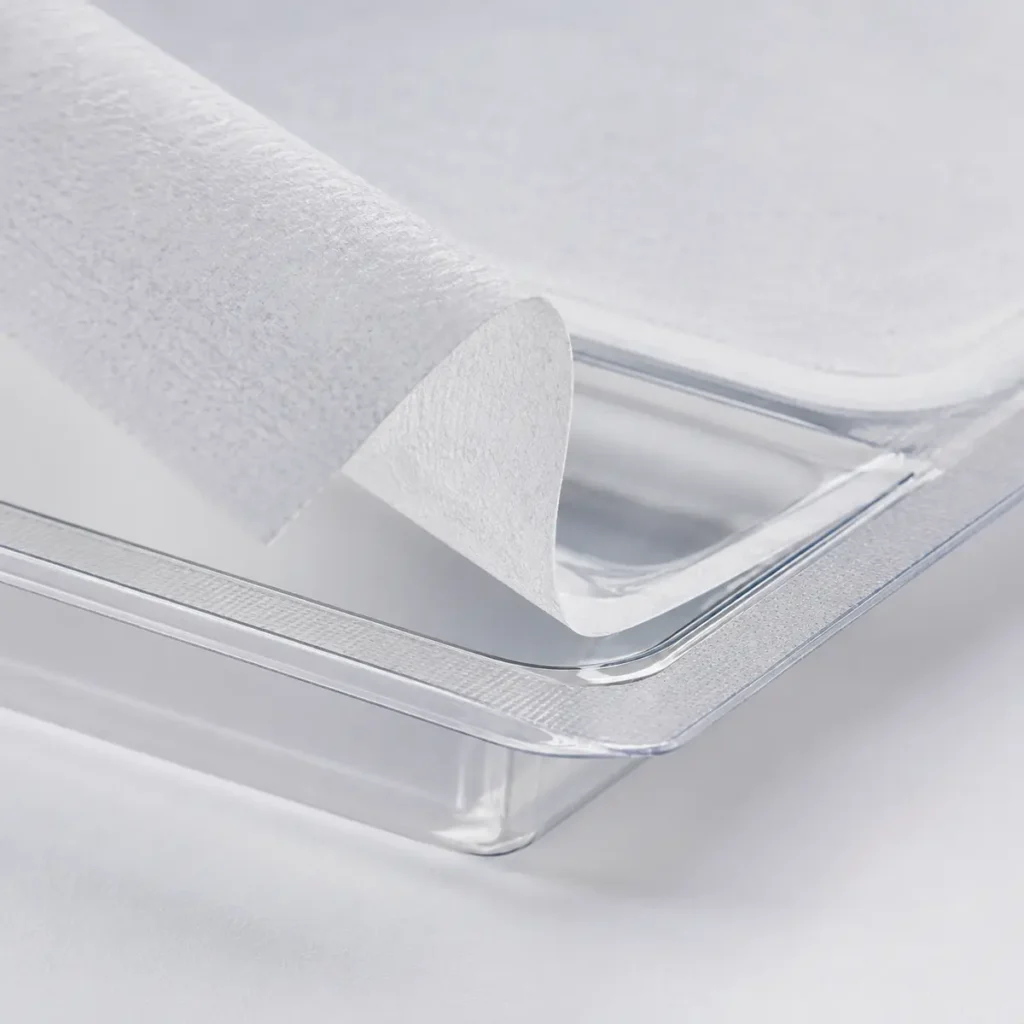
Medical blister trays and lidding are commonly used to protect medical devices that require secure positioning, physical protection and controlled presentation within a packaging system. The thermoformed tray provides a shaped cavity for the device, while the lidding material is sealed to the tray flange to form the package closure.
Depending on the project, tray materials may include PETG, APET, PVC or other thermoformable medical packaging materials. Lidding options may include coated Tyvek®, medical-grade paper or other compatible materials selected according to the tray substrate, sealing process, sterilization method and required opening performance.
Medical blister trays and lidding must be evaluated as a complete packaging system. Tray geometry, flange design, material thickness, lid coating, sealing parameters, device weight and distribution conditions can all affect package performance.
Jinhong Packaging coordinates medical tray and lidding projects with selected manufacturing partners. We help customers compare material options, confirm technical requirements, review drawings and organize samples or supporting documents for further packaging evaluation.
Learn more about the role of trays, lidding materials and package integrity in our guide to sterile barrier packaging for medical devices.
Medical Tray and Lidding Options
The appropriate configuration depends on the medical device, required cavity design, sterilization process, opening method and validation plan. The following options can be coordinated according to project requirements.
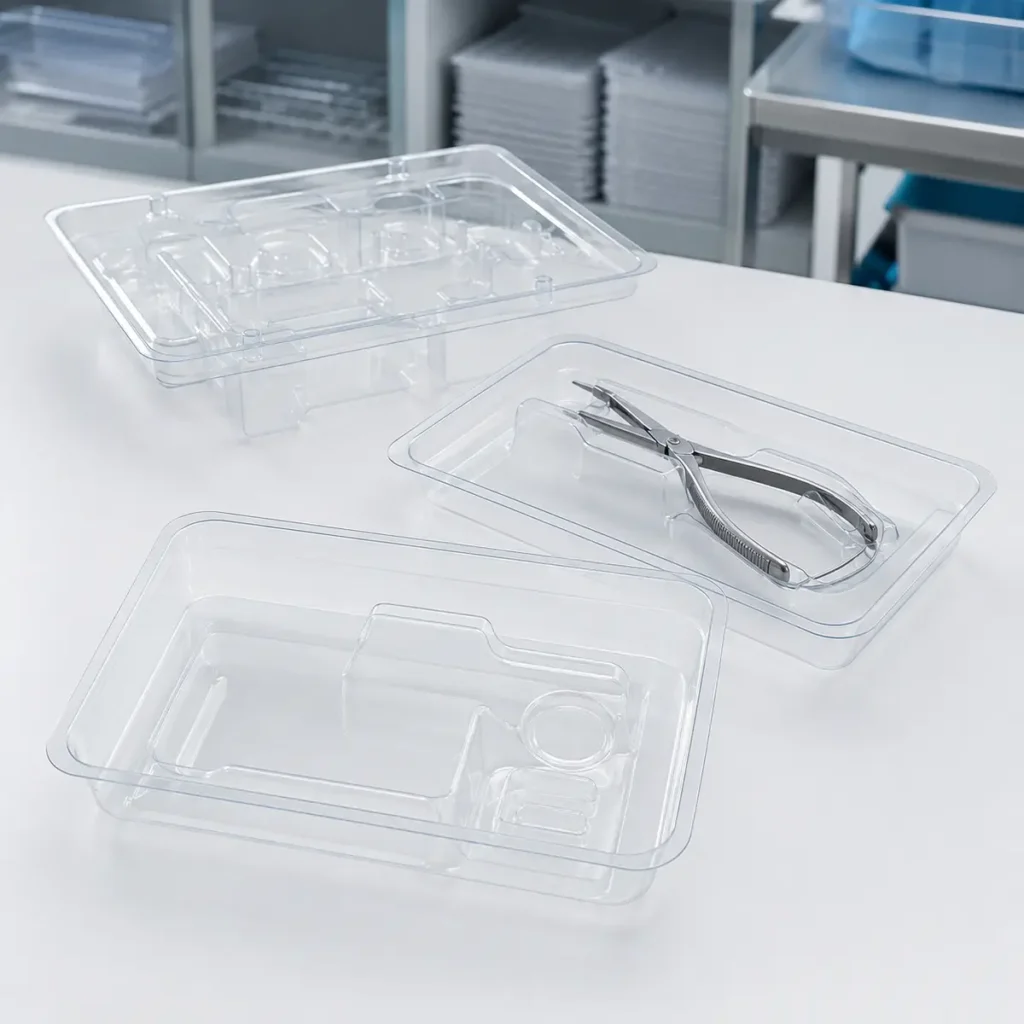
Thermoformed Medical Trays
Rigid or semi-rigid thermoformed trays designed to hold medical devices in a defined position and help protect them from movement, impact or compression during handling and distribution.
Tray dimensions, cavity depth, flange width, wall thickness and device-retention features can be developed according to the device drawing or physical sample.
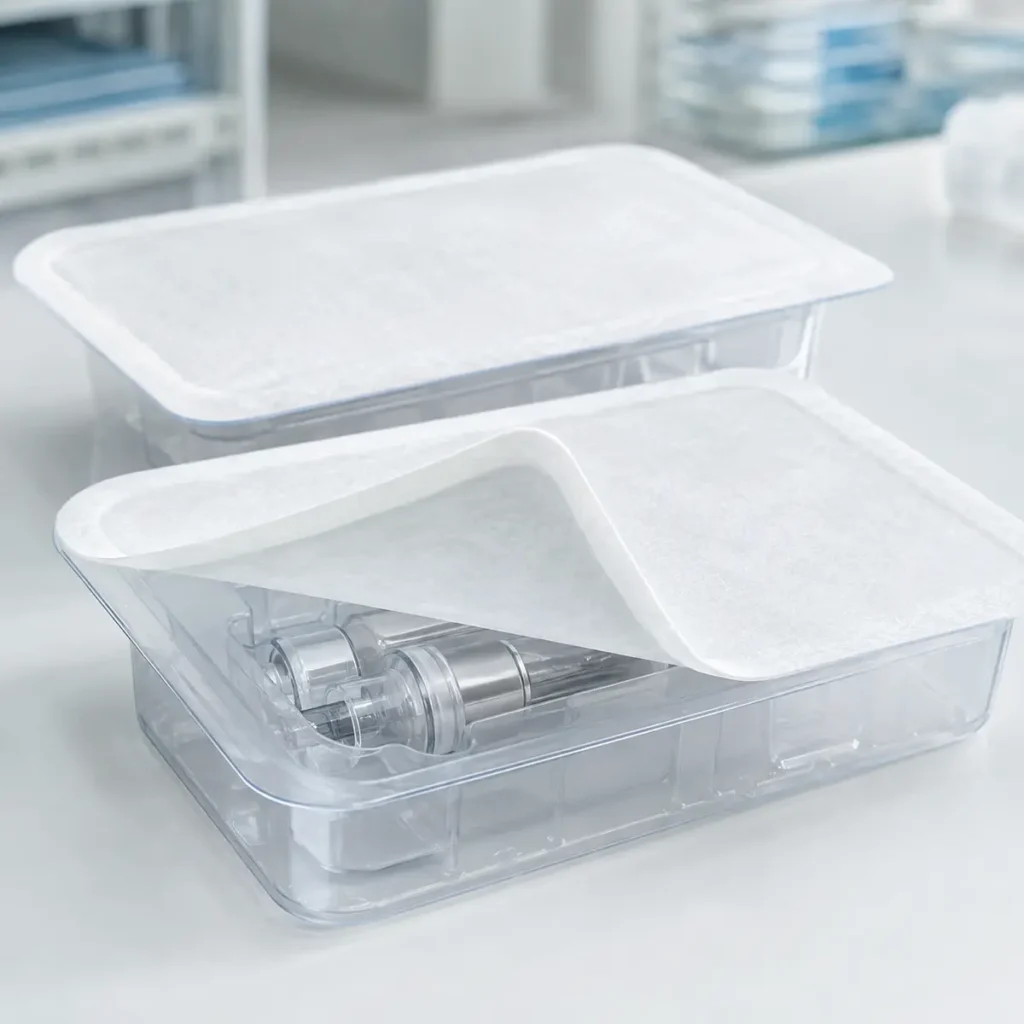
Tyvek® Lidding
Coated Tyvek® lidstock can provide microbial barrier performance, strength and clean-peel opening for compatible tray systems.
The Tyvek® grade, coating system, tray material and sealing parameters must be selected and evaluated together. Compatibility with the intended sterilization process must also be confirmed for the complete package.
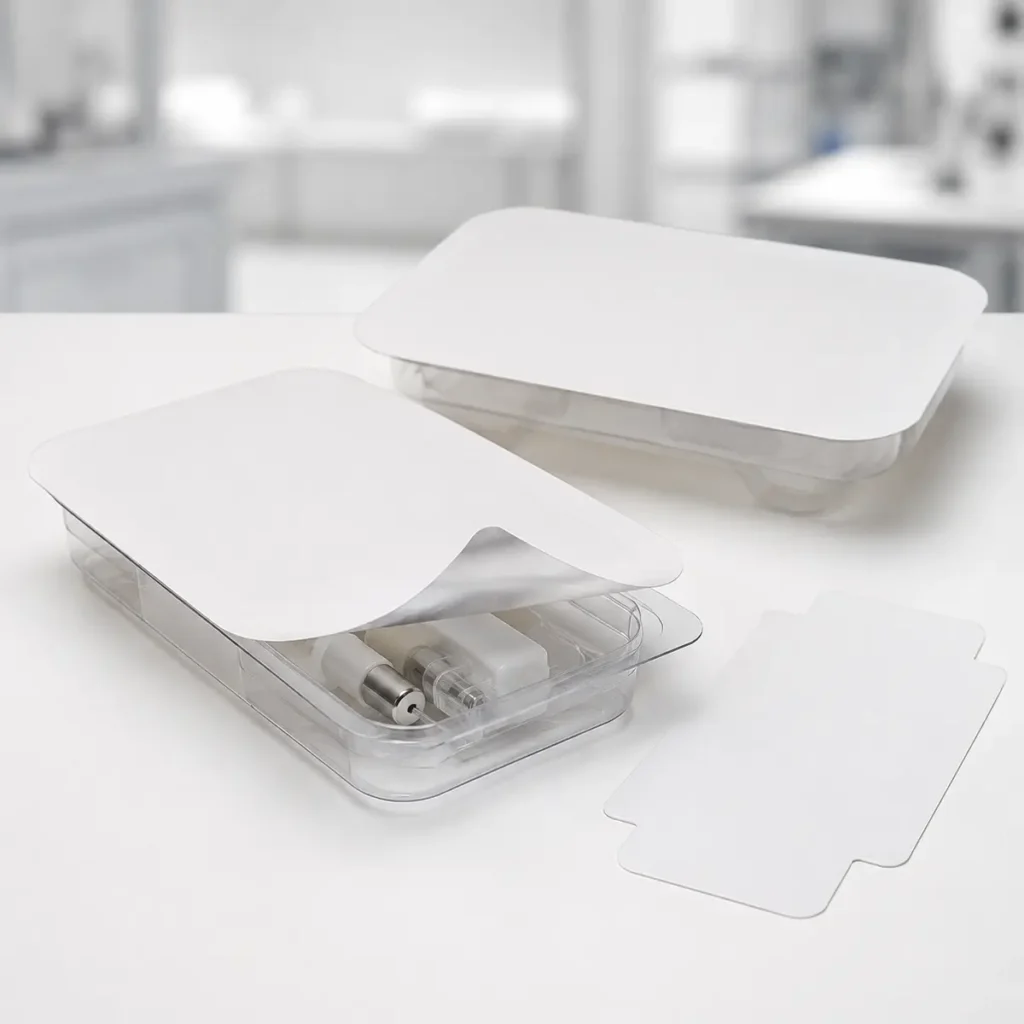
Medical-Grade Paper Lidding
Medical-grade paper lidding may be considered for selected tray systems where porosity, printability and peel performance are required.
Paper basis weight, coating type, seal compatibility and sterilization requirements should be confirmed according to the specific application. Medical-grade paper is not automatically suitable for every tray material or sterilization method.
Materials and Package Structure
Material selection for medical blister trays and lidding should begin with the medical device and the intended packaging process. Device geometry, weight, sharp edges, required visibility, sterilization method, sealing equipment and distribution environment can all influence the final package structure.
Thermoformed Tray Materials
Thermoformed medical trays may use PETG, APET, PVC or other project-specific materials. Each material has different forming, clarity, rigidity, sealing and processing characteristics.
PETG is frequently considered for clear thermoformed medical trays because it can support detailed cavity designs and product visibility. APET may be evaluated where clarity, rigidity or material efficiency is important. PVC remains available for certain established applications, subject to customer, market and regulatory requirements.
The final material should be confirmed according to the tray design, device characteristics, lidding system, sterilization process and required package validation. Material availability may also vary by thickness, order quantity and manufacturing partner.
Lidding and Heat-Seal Coatings
Lidding materials may include coated Tyvek®, medical-grade paper or other compatible porous and nonporous structures. The heat-seal coating creates the bonding interface between the lid and the tray flange.
A suitable lidding system must provide the required seal strength while supporting controlled opening and acceptable peel characteristics. Excessive seal strength may make the package difficult to open, while insufficient or inconsistent sealing may affect package integrity.
Lidstock grade, coating weight, tray substrate, flange condition, sealing temperature, pressure and dwell time should therefore be evaluated as part of the complete sealing process.
Tray material, flange design, lidding grade and heat-seal coating must work together to achieve the required sealing and opening performance.
Tray Material & Lidding Selection Guide
| Material / Format | Usually Considered When | Buyer Should Confirm |
|---|---|---|
| PETG Tray | Good clarity, thermoforming performance and product visibility are required | Device geometry, tray depth, material thickness and sterilization method |
| APET Tray | A clear and rigid thermoformed tray is suitable for the device and process | Forming depth, thickness, device protection and sterilization compatibility |
| PVC Tray | PVC is suitable for the specific tray design and packaging requirements | Material grade, forming performance, device protection and sterilization method |
| Tyvek® Lidding | A strong, breathable sterile barrier lidding material is required | Tyvek® grade, coating, tray flange, seal parameters and sterilization method |
| Medical-Grade Paper Lidding | A paper-based breathable lidding structure is suitable for the project | Paper grade, coating, seal strength, sterilization method and validation needs |
Important: Tray material and lidding should be evaluated as a complete packaging system. Device geometry, tray design, material thickness, seal interface, sterilization method and validation requirements should be reviewed together.
Typical Specifications
The following information provides a general reference for medical blister trays and lidding. Final specifications depend on the device, tray drawing, material combination, sealing process, sterilization method and validation requirements.
| Specification Item | Typical Options | Project Considerations |
|---|---|---|
| Tray Format | Custom thermoformed tray, blister tray or semi-rigid device tray | Selected according to device geometry, protection and presentation requirements |
| Tray Materials | PETG, APET, PVC or other project-specific thermoformable materials | Final material must be confirmed with the lidding, sealing and sterilization system |
| Dimensions | Custom length, width, cavity depth and flange dimensions | Device drawing or physical sample may be required for evaluation |
| Material Thickness | Selected according to tray size, cavity depth, device weight and rigidity requirements | Confirmed after design and forming assessment |
| Lidding Options | Coated Tyvek®, medical-grade paper or other compatible lidstock | Lidstock grade and coating must match the selected tray substrate |
| Opening Style | Peel-open lidding with a peel tab or project-specific opening design | Peel performance depends on the material combination and sealing process |
| Printing | Custom text, symbols, instructions or identification information where applicable | Artwork, ink system and regulatory marking requirements should be reviewed before production |
| Sealing Process | Heat sealing using validated project-specific process parameters | Temperature, pressure and dwell time depend on the tray, lidstock, coating and equipment |
| Sterilization Compatibility | Evaluated according to the selected materials and intended sterilization process | No material combination should be assumed suitable without project-specific confirmation and validation |
| Samples and Documentation | Material samples, tray samples, drawings and available technical documents | Availability depends on the selected configuration and manufacturing partner |
| MOQ and Lead Time | Quoted according to tray dimensions, tooling, materials and order quantity | Custom tooling and sample development may affect the project schedule |
Applications and Selection Considerations
Medical blister trays and lidding can be developed for a wide range of medical devices that require defined positioning, product visibility or additional physical protection. The packaging configuration should be selected according to the device and its complete use environment rather than by tray appearance alone.
For a step-by-step material, cavity, lidding and purchasing checklist, read our medical blister tray and lidding selection guide.
1. Surgical and Procedural Devices
Thermoformed trays may be used for selected surgical instruments, procedural components, device kits and accessories that require organized presentation and protection during handling.
2. Catheters and Diagnostic Components
Custom cavities and retention features can help position catheters, diagnostic components and related accessories while reducing unnecessary movement inside the package.
3. Implants and Sensitive Devices
Rigid or semi-rigid tray systems may be considered for implants and sensitive medical devices where dimensional stability, physical protection and controlled presentation are important.
4. Medical Device Kits
Multi-cavity trays can organize several components within one package. Component arrangement, accessibility and the intended opening sequence should be reviewed during tray development.
What Should Be Confirmed Before Material Selection?
Before selecting a tray and lidding combination, the project should define the device dimensions, weight, geometry and any sharp or delicate areas. The required cavity depth, retention method, flange width and peel direction should also be considered.
The intended sterilization method is another key factor. A material that performs well during thermoforming or sealing is not automatically suitable for every sterilization process. Tray material, lidstock, heat-seal coating, printing system and device characteristics must be reviewed together.
Packaging evaluation may also need to consider seal strength, visual seal quality, package integrity, aging and distribution performance. The applicable tests and acceptance criteria should be determined by the medical device company according to its product, market and validation plan.
A successful tray project begins with the device—not with a standard material list. Providing a drawing, sample, sterilization method and packaging requirements at the beginning can reduce unnecessary material changes and repeated sampling.
Quality Documents and Project Coordination
Medical blister tray and lidding projects often require more than a product quotation. Device information, tray drawings, material specifications, sealing requirements, sterilization conditions and validation responsibilities should be clarified before the final package configuration is confirmed.
Depending on the selected manufacturing partner and material system, available documentation may include material specifications, certificates of analysis, declarations of conformity, quality management certificates, inspection records and relevant test reports. Document availability and applicability must be confirmed for each project rather than assumed to cover every product configuration.
ISO 11607-1 addresses requirements for materials, sterile barrier systems and packaging systems for terminally sterilized medical devices. ISO 11607-2 addresses validation requirements for forming, sealing and assembly processes. ASTM F88/F88M may be used to evaluate the strength of seals between flexible lidding and flexible, rigid or semi-rigid materials.
The medical device company remains responsible for determining the applicable regulatory requirements, establishing acceptance criteria and validating the final packaging system for the intended device, sterilization process, distribution environment and target market.
How Jinhong Packaging Supports Your Project
Jinhong Packaging works with selected manufacturing partners to coordinate medical blister trays and lidding according to the technical and commercial requirements of each project.
Our project coordination may include:
Reviewing device drawings, dimensions and packaging requirements
Comparing suitable tray and lidding material options
Coordinating tray drawings, tooling discussions and sample development
Confirming available quality certificates and supporting documents
Communicating printing, sealing and packaging requirements
To begin an evaluation, customers can provide the medical device drawing or sample, intended sterilization method, required packaging format, estimated order quantity and target market. Additional information may be requested as the project develops.
For related sterile barrier packaging formats, explore our Tyvek medical packaging and sterilization pouches and rolls solutions.
Frequently Asked Questions About Medical Blister Trays and Lidding
What materials are used for medical blister trays?
Medical blister trays may be thermoformed from PETG, APET, PVC or other project-specific materials. The appropriate material depends on the device geometry, required rigidity, tray design, lidding system, sterilization method and validation requirements. Material selection should be confirmed for the complete packaging system.
What lidding materials can be used with thermoformed medical trays?
Lidding options may include coated Tyvek®, medical-grade paper and other compatible porous or nonporous materials. The lidstock grade and heat-seal coating must be evaluated with the selected tray substrate, sealing equipment, opening requirements and intended sterilization process.
Are all tray and lidding combinations suitable for sterilization?
No. A tray material or lidstock should not be assumed suitable for every sterilization method. The complete combination—including the tray, lidding, coating, printing and seal—must be evaluated according to the intended sterilization conditions and final packaging validation plan.
Can medical blister trays be customized for a specific device?
Yes. Tray length, width, cavity depth, flange dimensions, retention features and component layout can be developed according to a device drawing or physical sample. Custom tooling may be required, depending on the design and production process.
What information is needed to request a quotation?
Please provide the device dimensions or drawing, required tray quantity, preferred tray and lidding materials if known, intended sterilization method, printing requirements, target market and expected order schedule. A physical sample may be requested for more detailed evaluation.
Can you provide samples and supporting documents?
Samples and available supporting documents can be coordinated according to the selected material system and manufacturing partner. These may include material specifications, quality certificates, inspection records or relevant test reports. Availability and applicability must be confirmed for each project.
Explore our complete Medical & Healthcare Packaging solutions for related sterile barrier packaging formats and project coordination support.
Discuss Your Medical Tray Packaging Project
Looking for medical blister trays and lidding for a new or existing medical device packaging project?
Share your device drawing or sample, intended sterilization method, packaging requirements and estimated quantity. Jinhong Packaging can coordinate suitable tray and lidding options with selected manufacturing partners for further evaluation.